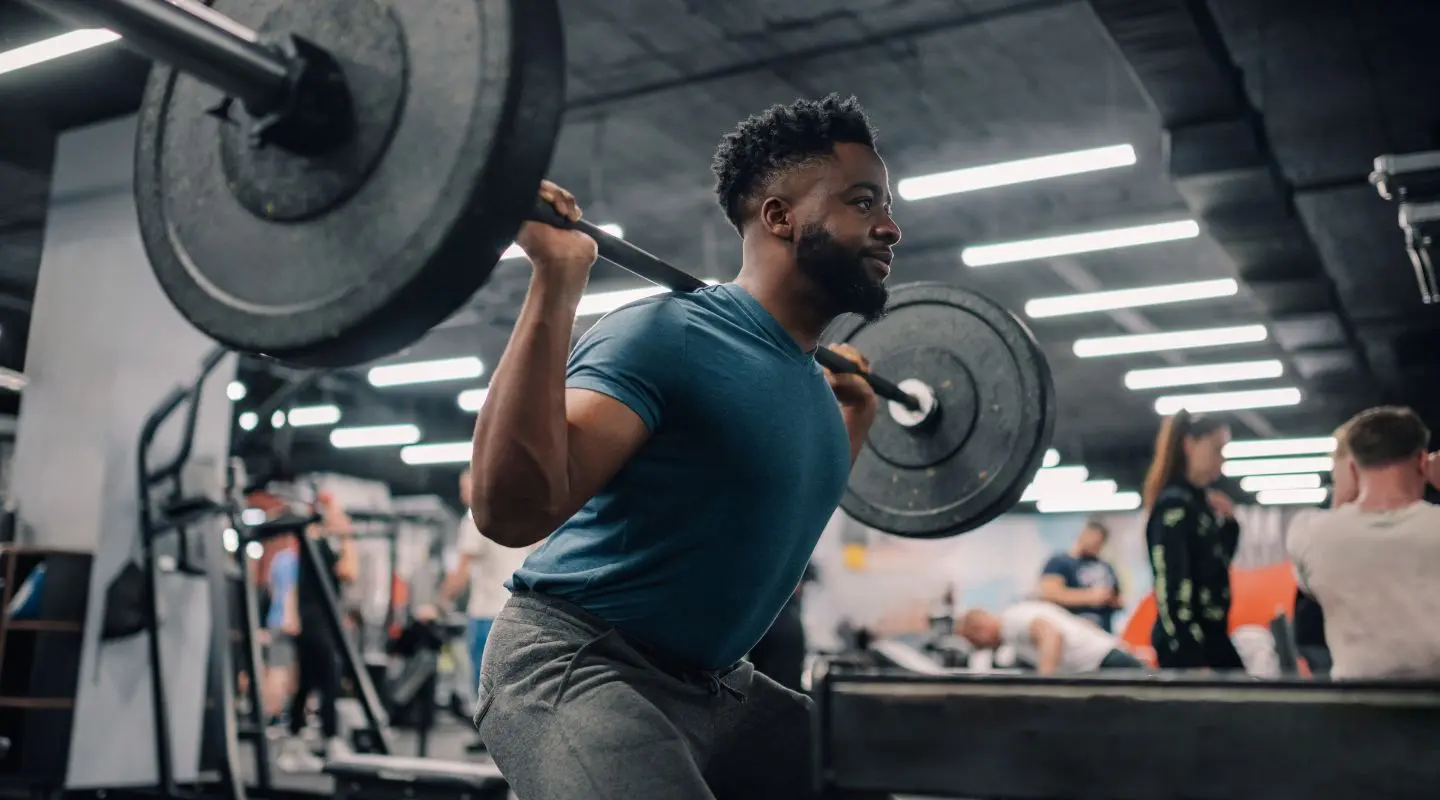

Most people want more from their fitness journey than just showing up and hoping for the best. They want expert guidance, real results, and a place where they actually feel motivated to keep coming back.
That's exactly what functional fitness delivers—and it's what we're built around at Tusk Athletics. We proudly serve North Phoenix, Glendale, and the surrounding communities, helping members of all fitness levels build lasting strength and mobility.
Functional fitness focuses on movements that translate directly into everyday life. Instead of isolating muscles on machines, you'll train your body to work as a complete system. Whether you're lifting kids, carrying groceries, or staying active as you age, functional training prepares you for real-world strength and mobility that lasts.
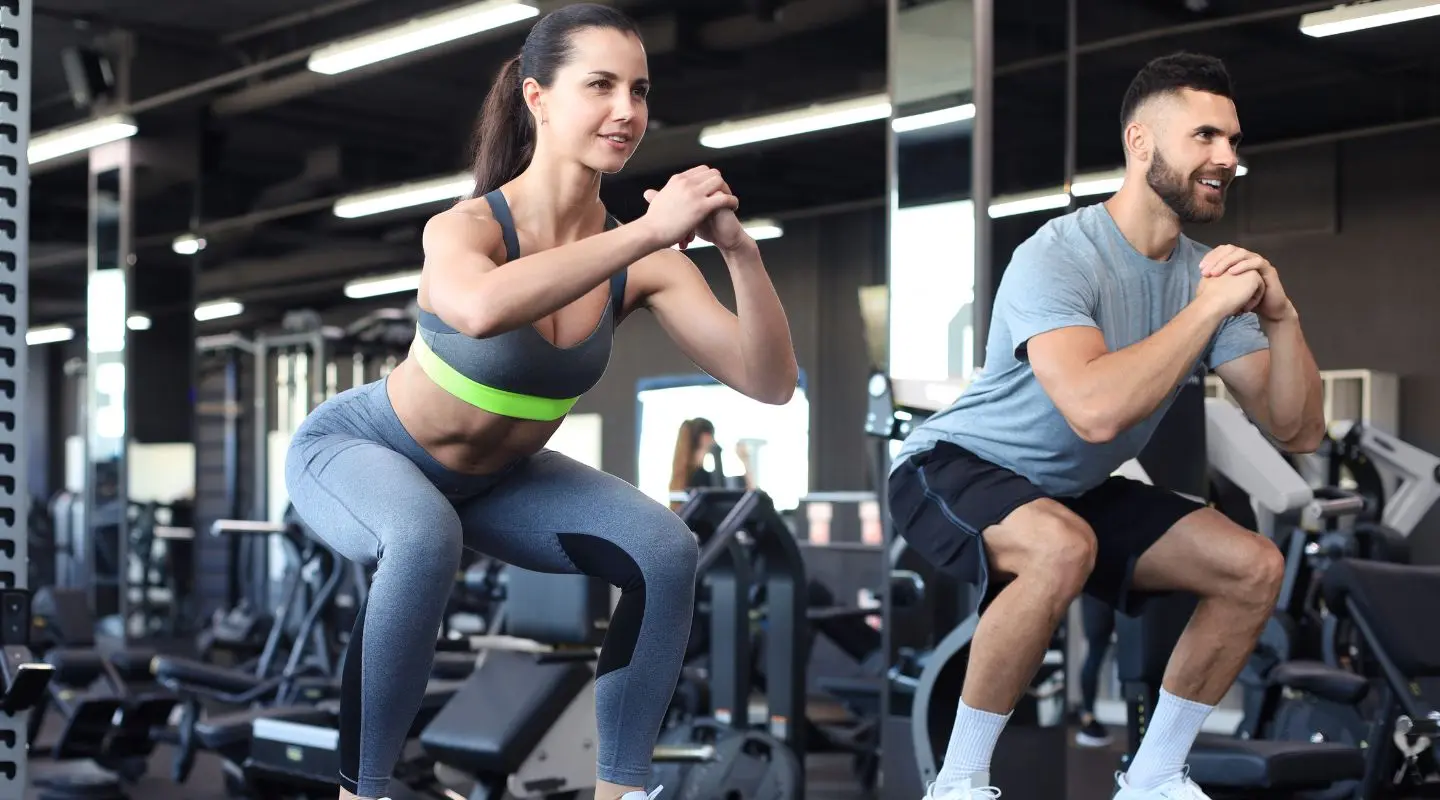
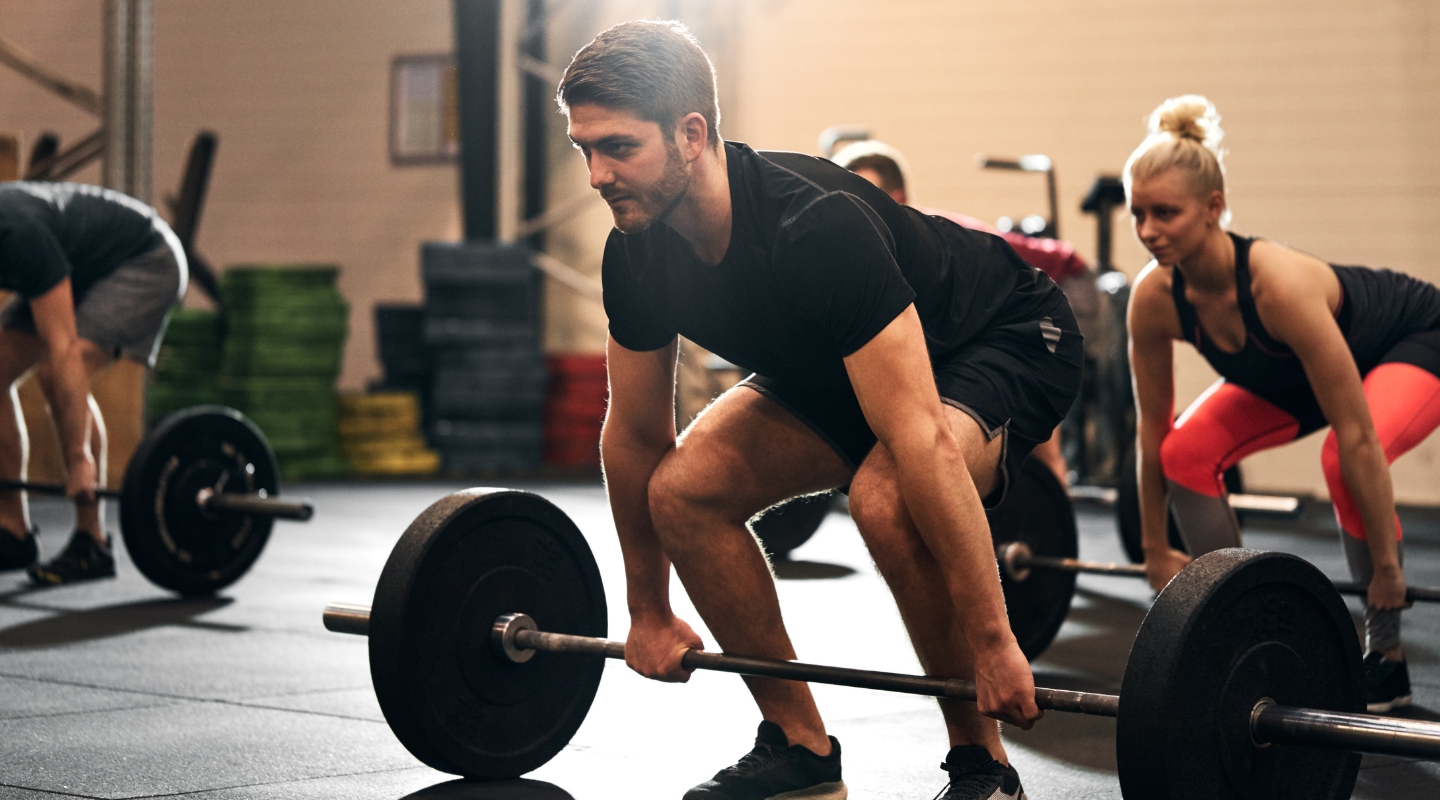
Functional fitness trains full-body movement patterns rather than isolated muscles, building strength that carries over into daily life. Exercises mimic pushing, pulling, squatting, rotating, and stabilizing—movements your body naturally performs.
This style develops balanced strength, coordination, and core stability, protecting you from injury and keeping you capable as life demands more from your body.
At gyms focused on functional fitness, coaches prioritize proper movement mechanics before adding weight or intensity. This foundation keeps you safe and ensures you're building strength the right way. When you move well, you perform better in workouts, recover faster, and avoid the compensation patterns that lead to pain or injury.
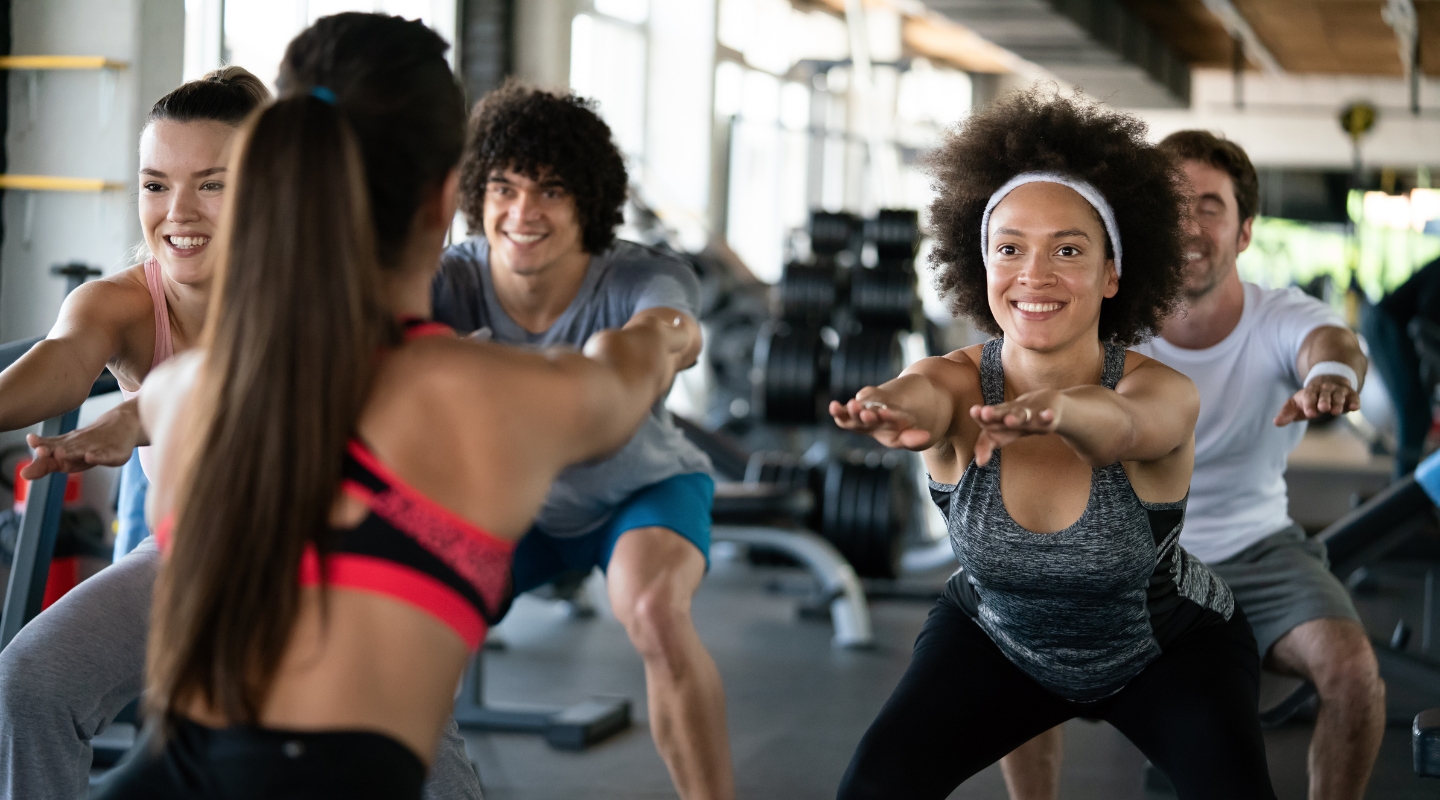
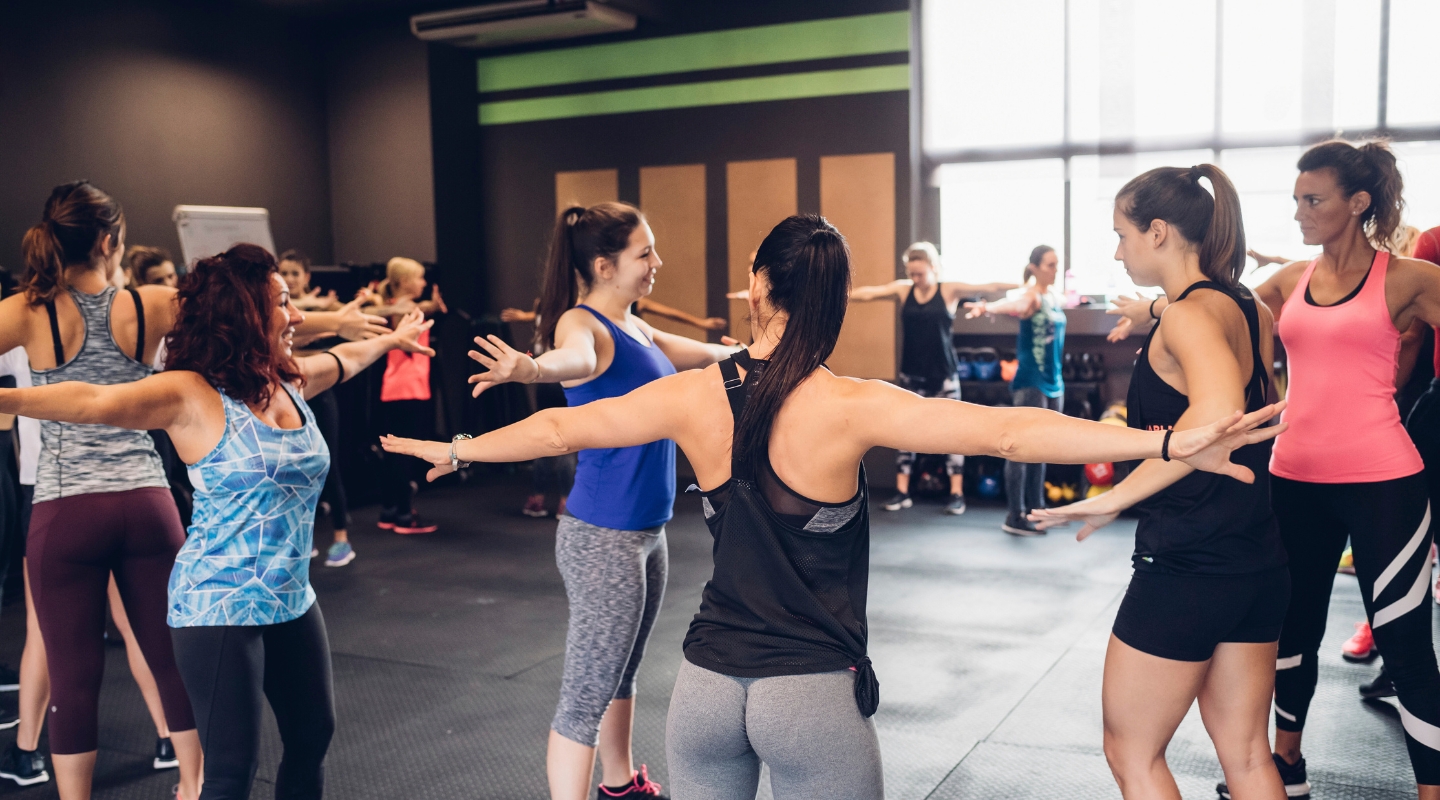
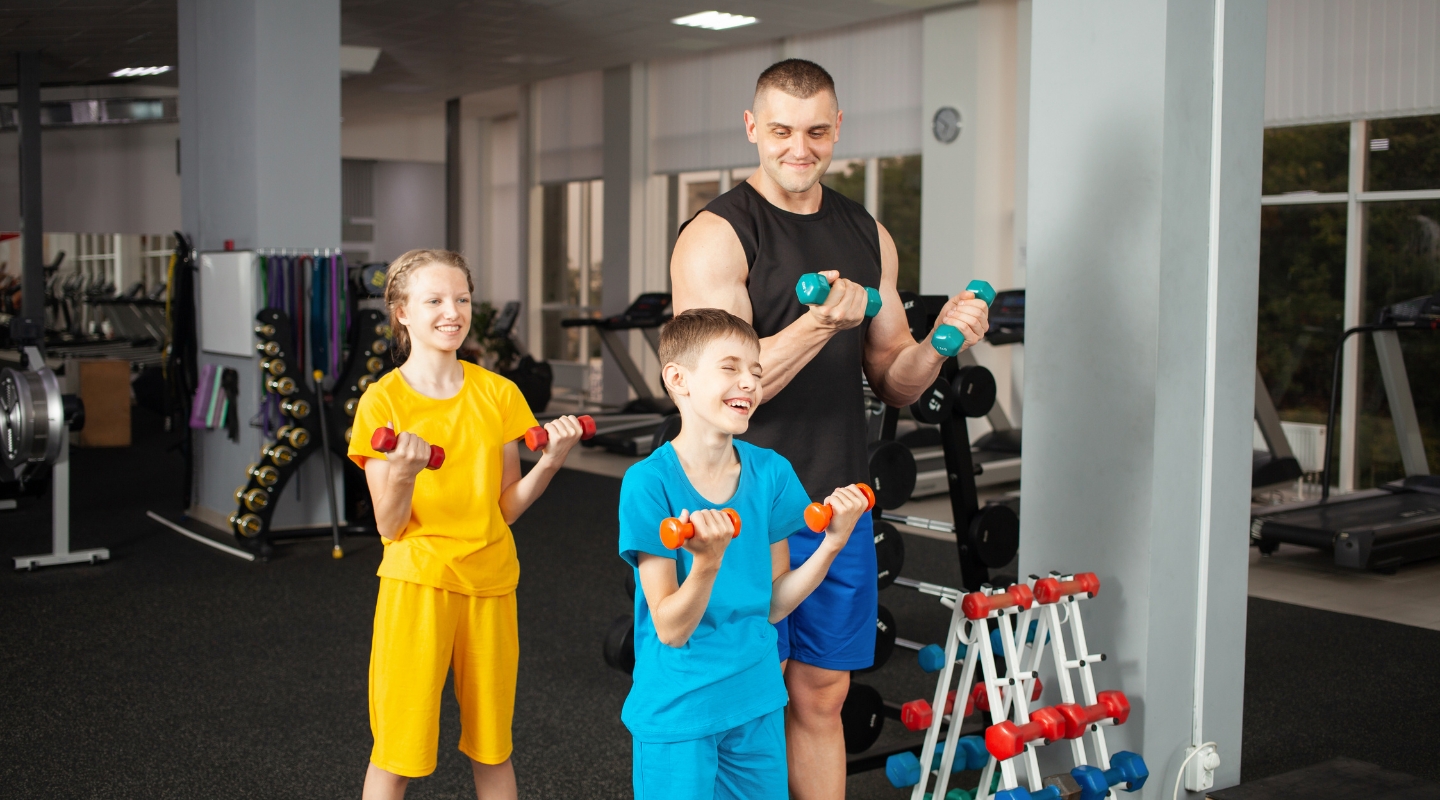
The programming is scalable, which means beginners and experienced athletes train side by side. Everyone works on the same movement patterns but at their own level. This creates an inclusive environment where progress is personal, but the energy and support are shared.
Beyond addressing specific pain conditions, functional fitness delivers comprehensive results. While you'll certainly see physical changes, the real benefits emerge in how you feel and function daily. Your body becomes more resilient, capable, and efficient at handling whatever life throws your way.
Research consistently shows that functional training improves athletic performance and reduces injury rates. The multi-planar movements strengthen stabilizer muscles often neglected in traditional training. This comprehensive approach creates balanced strength throughout your body.
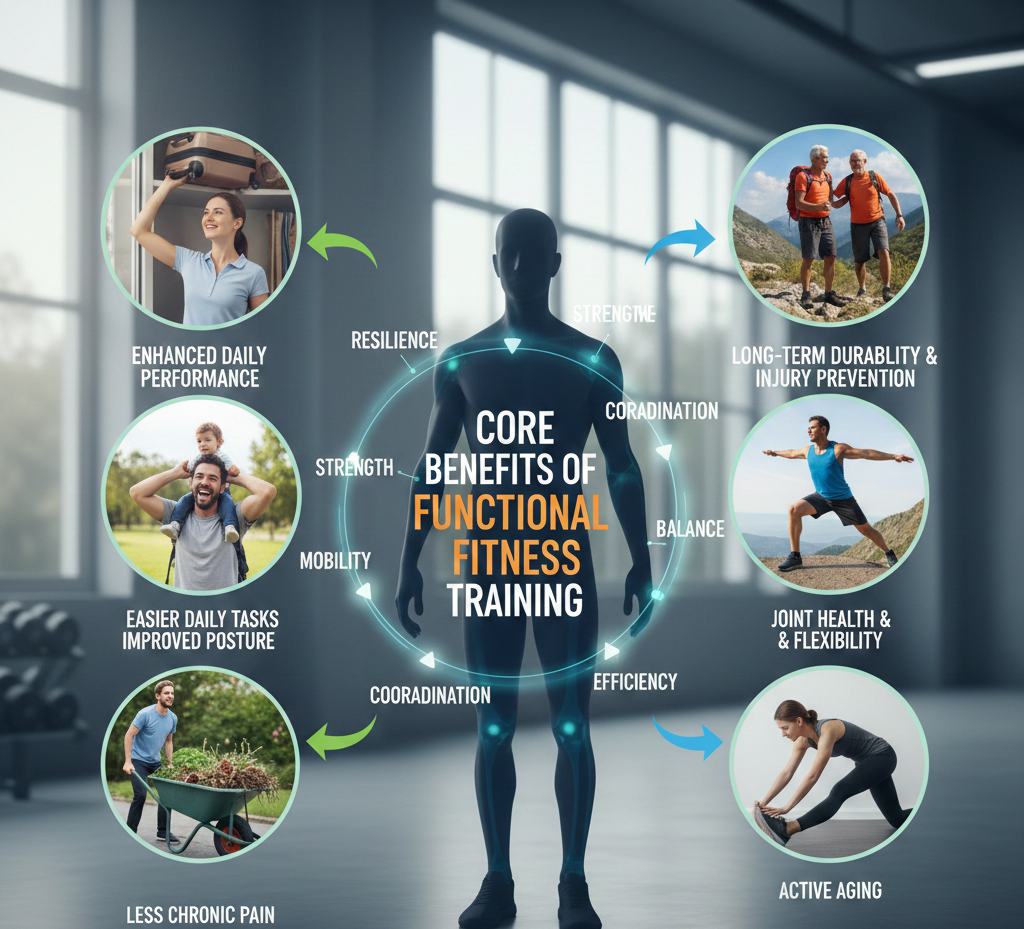
Functional fitness makes everyday tasks easier—carrying luggage, playing with kids, or yard work feels less exhausting. The strength and endurance gained in the gym translates directly into more energy for daily life.
It also improves posture and helps relieve chronic pain, particularly in the back and joints. Strengthening stabilizer muscles and correcting movement imbalances often leads to noticeable improvements in how members feel.
One of the most valuable aspects of functional fitness is how it protects your body. By training movements instead of muscles, you develop coordination and stability that reduce injury risk. This is especially important as we age and want to maintain independence and quality of life.
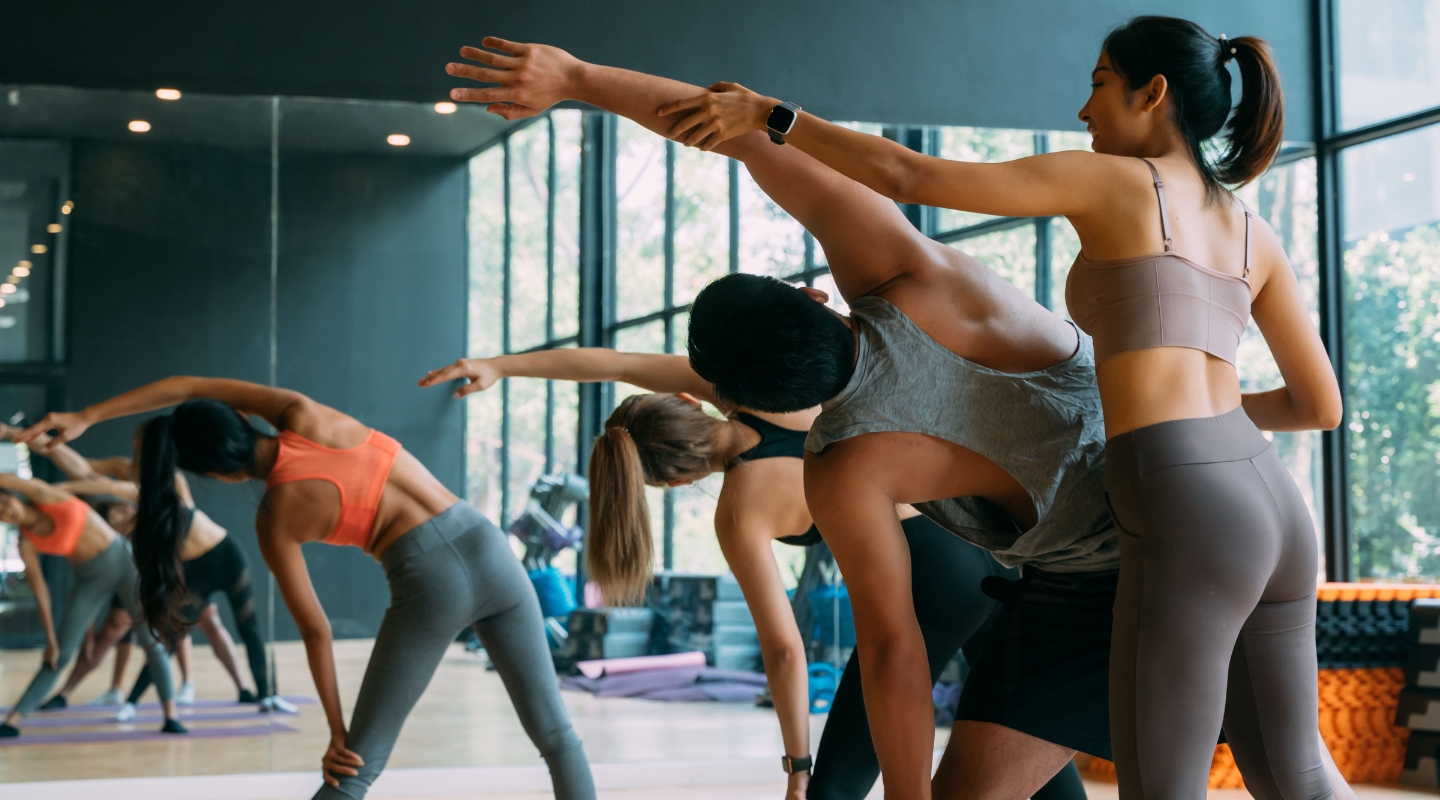
Mobility work keeps joints healthy and flexible. Unlike programs that only focus on strength, functional training maintains and improves your range of motion. That combination of strength and flexibility is what keeps you moving well for decades to come.
Many people start functional fitness because of persistent low-back pain, and modern medical research strongly supports this approach. A major systematic review found that exercise therapy significantly reduces chronic low-back pain and improves overall function. Clinical guidance from NICE also recommends structured exercise as a first-line treatment for low-back pain and sciatica.
A recent 2025 meta-analysis confirmed that multiple exercise approaches remain consistently effective for lowering back-pain intensity. Under proper coaching, functional fitness—core stability work, mobility training, and progressive movement mechanics—directly aligns with these medical recommendations and supports long-term spinal health.
Functional fitness is equally effective for knee issues, especially when training focuses on neuromuscular stability. A leading review of the NEMEX neuromuscular program showed meaningful improvements in knee function, pain levels, and overall quality of life. Additional evidence from an exercise therapy review highlights that supervised training improves joint function with low risk of adverse events.
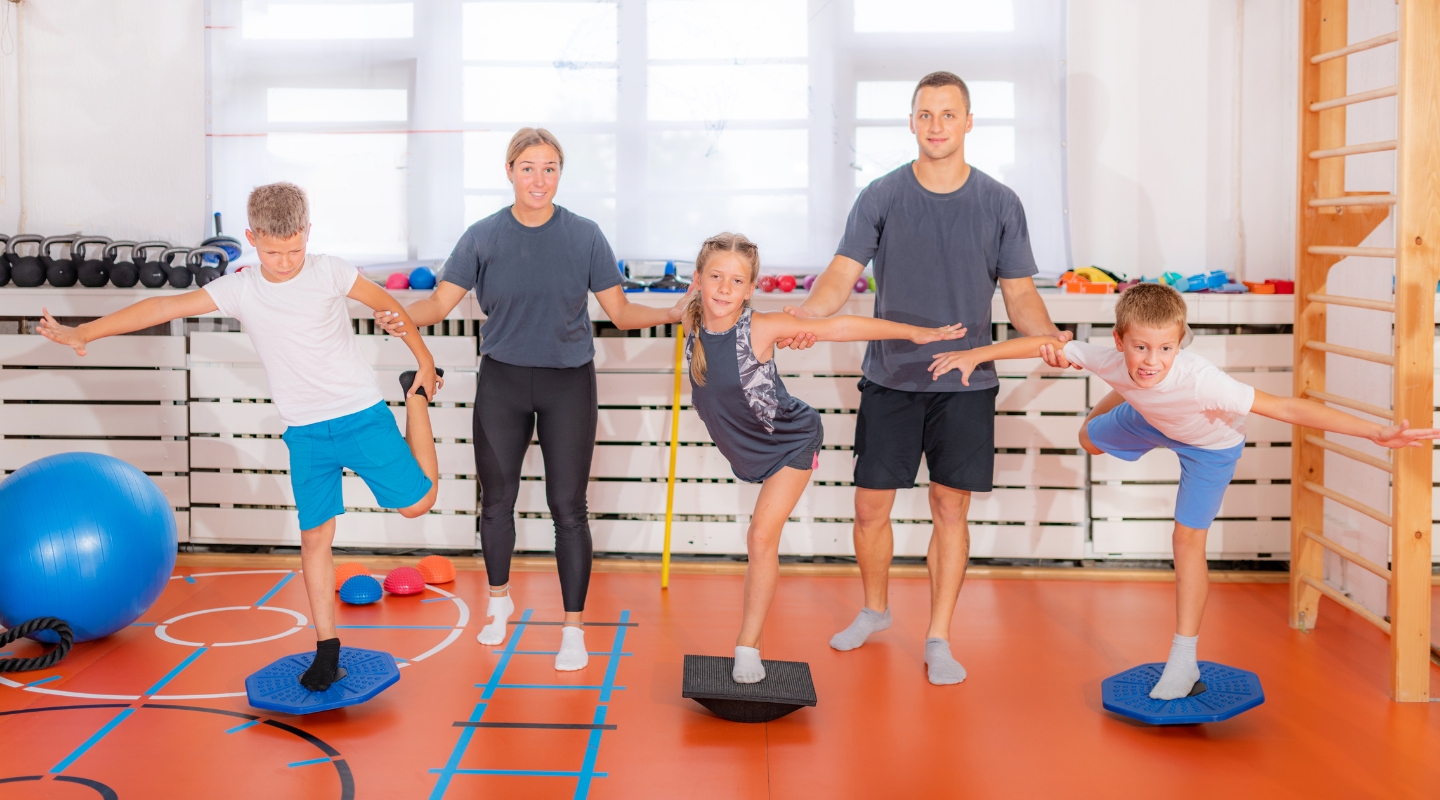
Functional fitness emphasizes single-leg strength, hip/knee alignment, balance, and controlled loading, making it ideal for managing knee pain, early osteoarthritis, or post-injury recovery.
Research highlights that exercise provides moderate pain reduction and practical functional gains for chronic low-back pain. A major clinical review on exercise outcomes and the ACP guideline both emphasize that training is effective but not an instant cure—consistent, high-quality movement matters most.
For knee osteoarthritis, improvements are strongest in day-to-day comfort, walking, and joint confidence rather than high-performance metrics, according to OA evidence. This reinforces that results depend heavily on technique, coaching, and gradual progression, all central components of functional training.
When a gym prioritizes movement quality, neuromuscular control, and progressive loading, it becomes a rehab-supportive environment. Research on movement-based rehabilitation shows that pattern-focused training reduces pain and improves long-term durability.
Functional fitness provides a safe, evidence-based way to manage back, knee, or shoulder issues, improving strength, joint mechanics, and everyday movement.
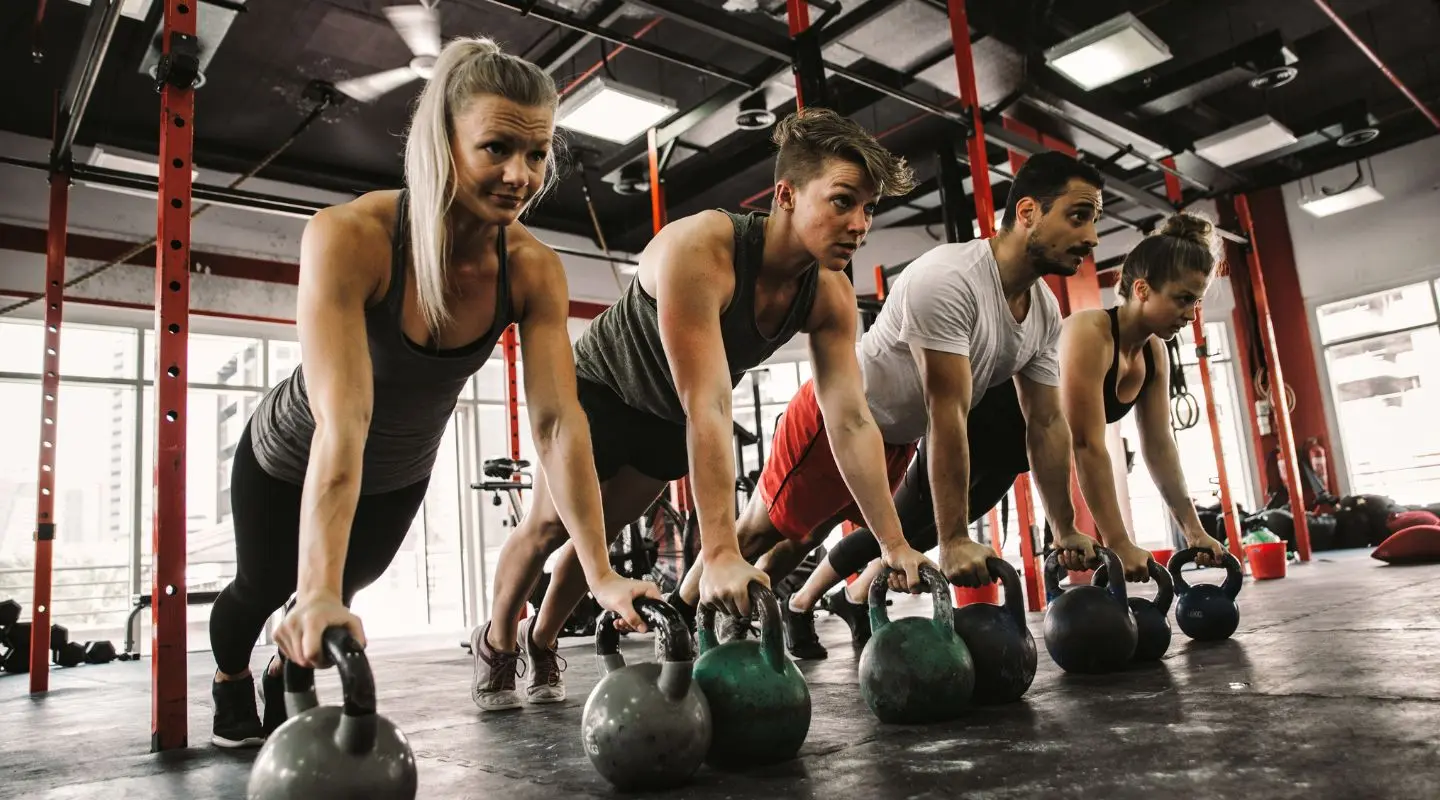
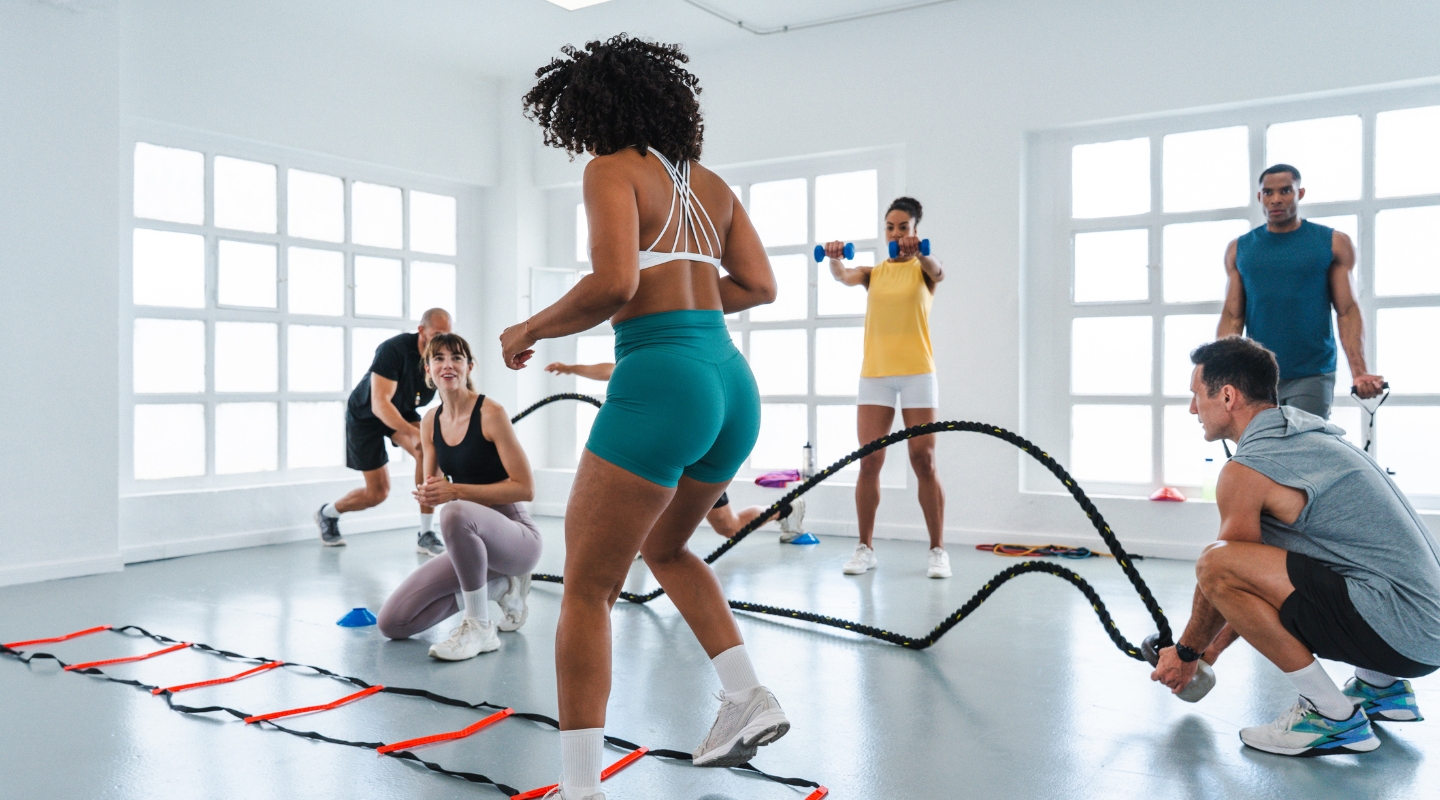
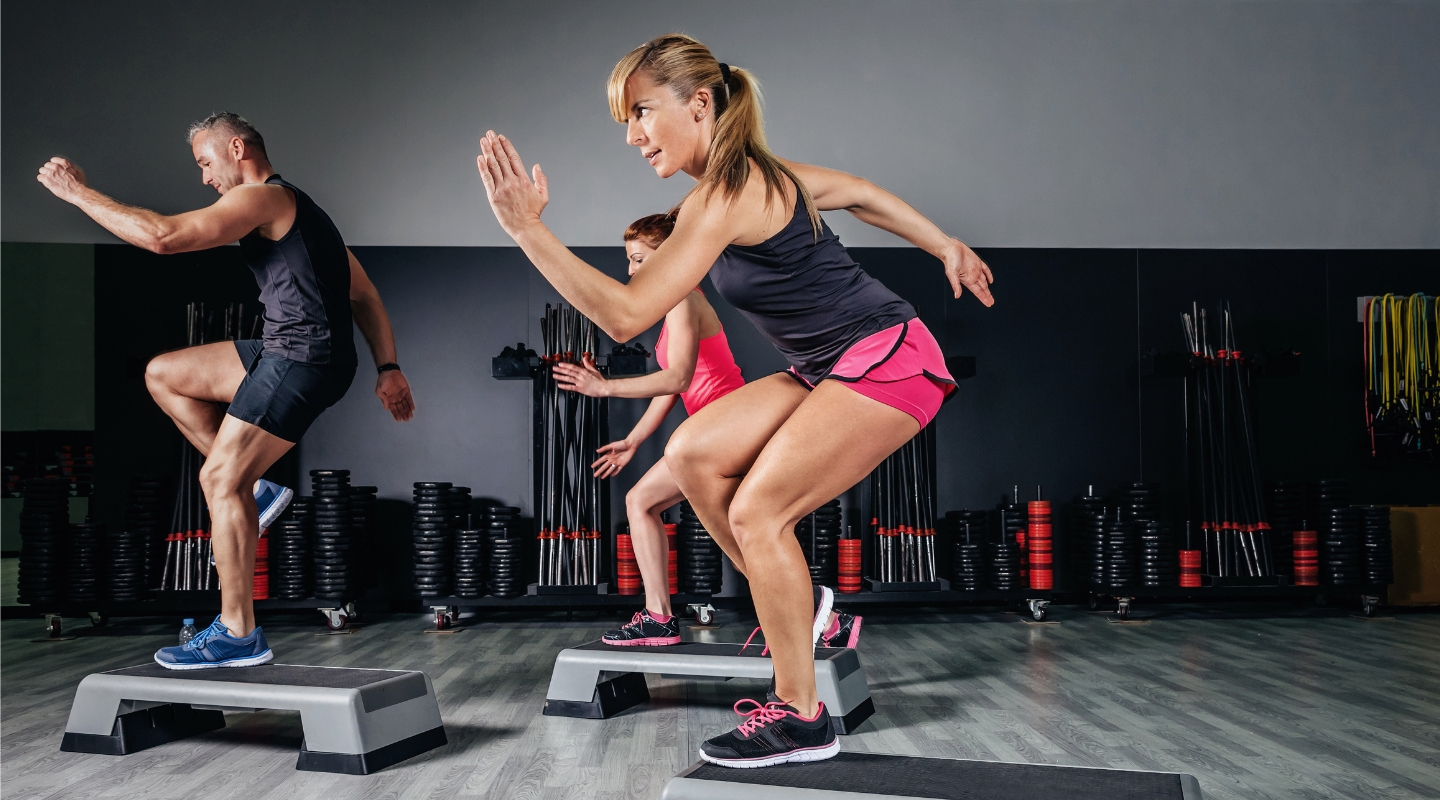
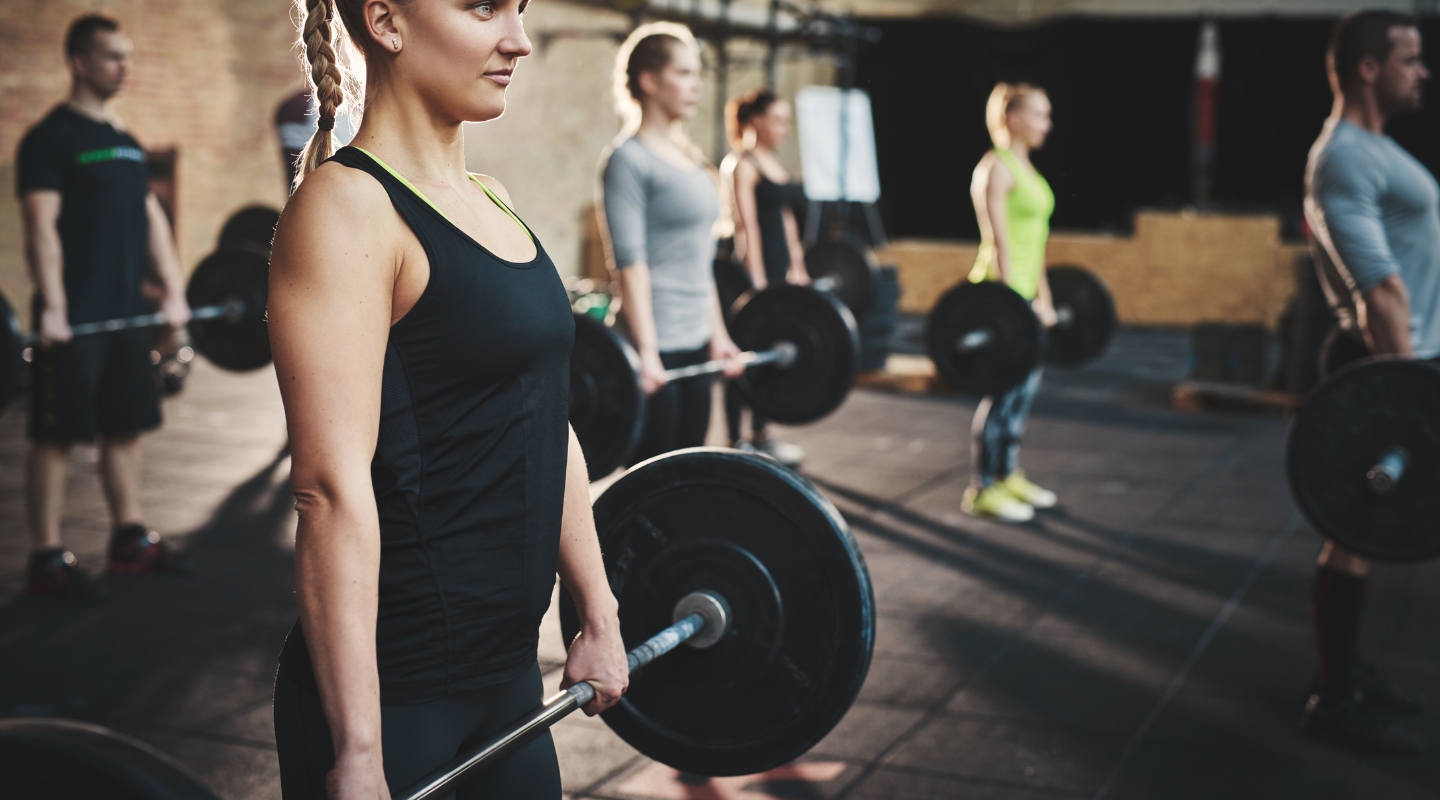
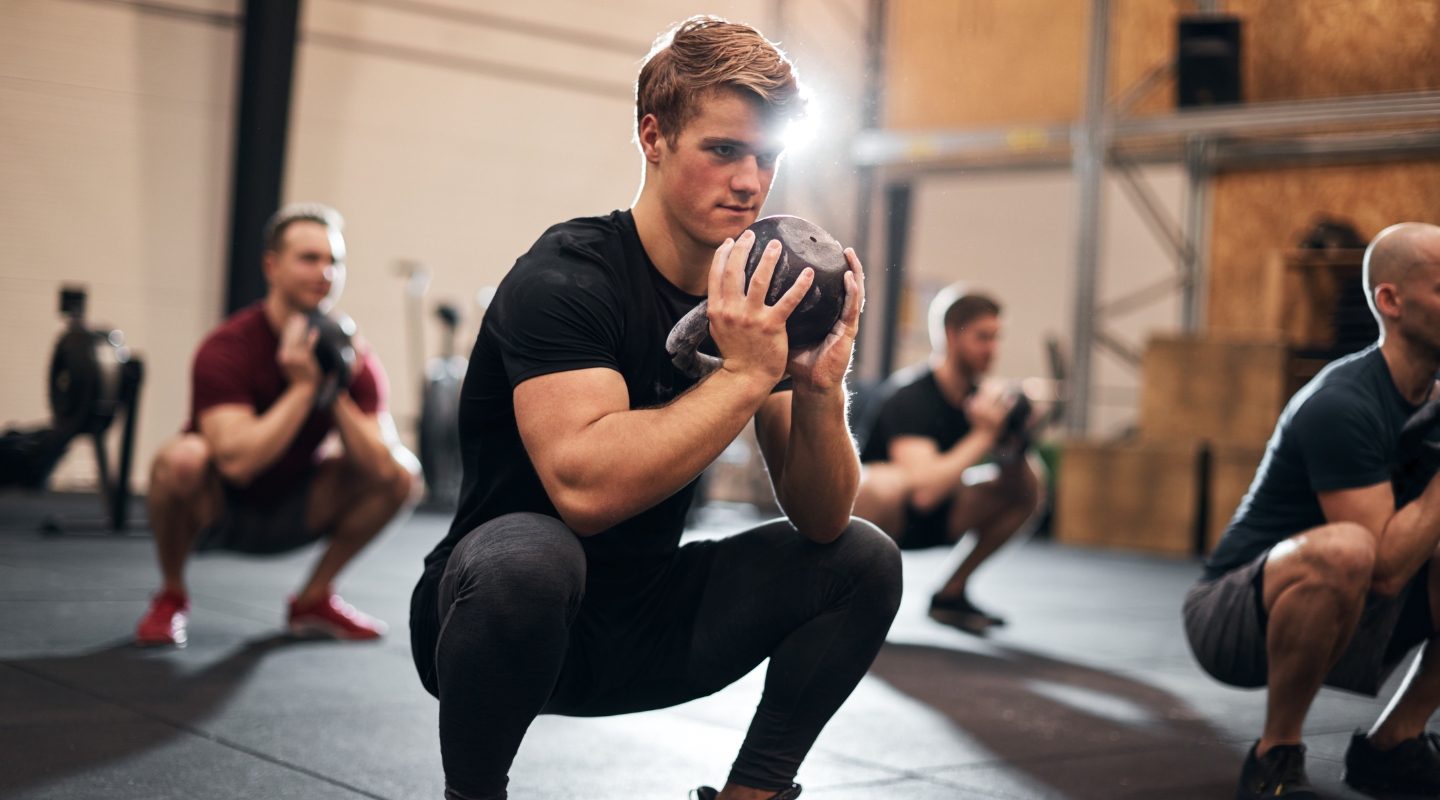
Walking into a functional fitness gym feels different from a traditional gym experience. You'll see open floor space, varied equipment like kettlebells and rigs, and a strong sense of community. Classes combine strength training, conditioning, and mobility work into sessions that challenge your entire body.
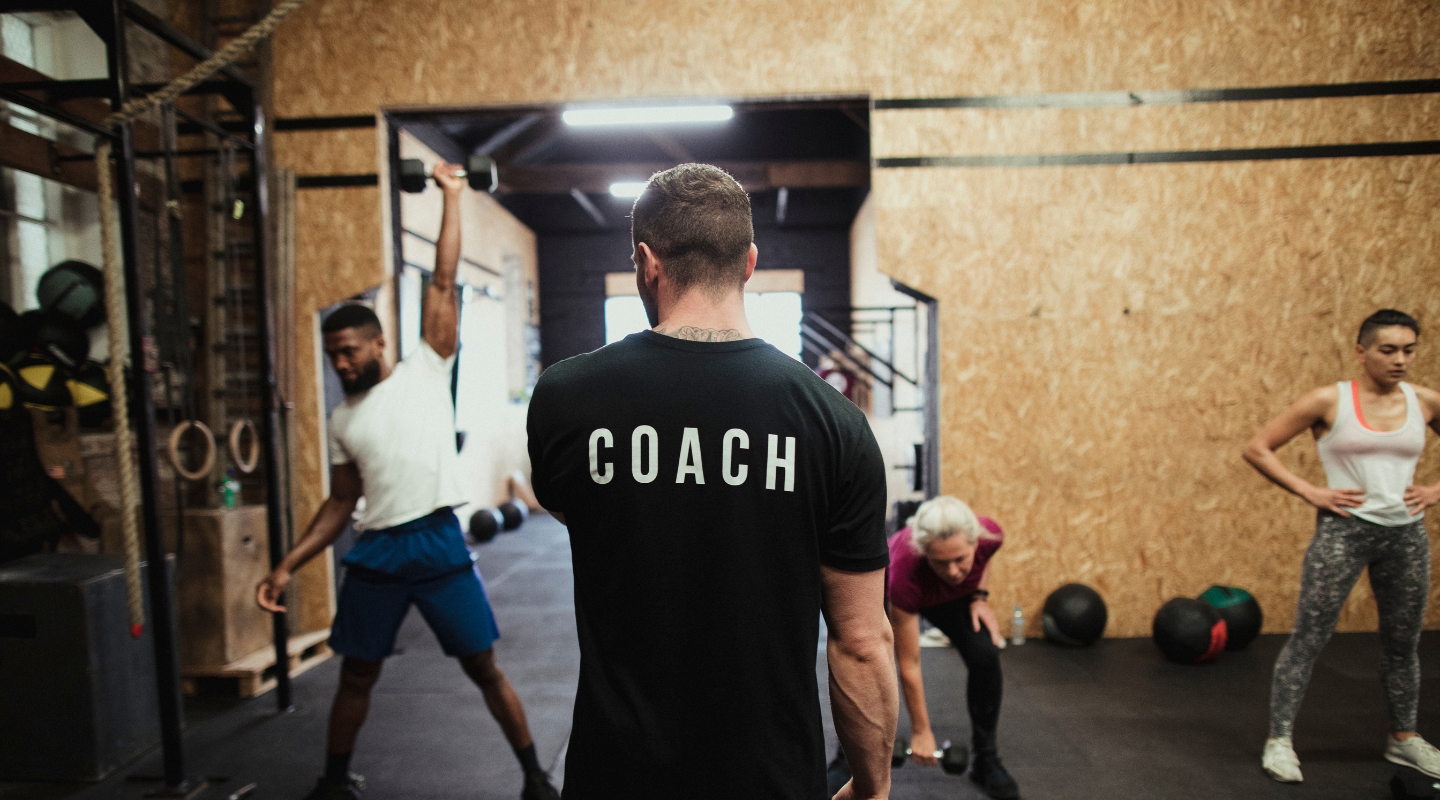
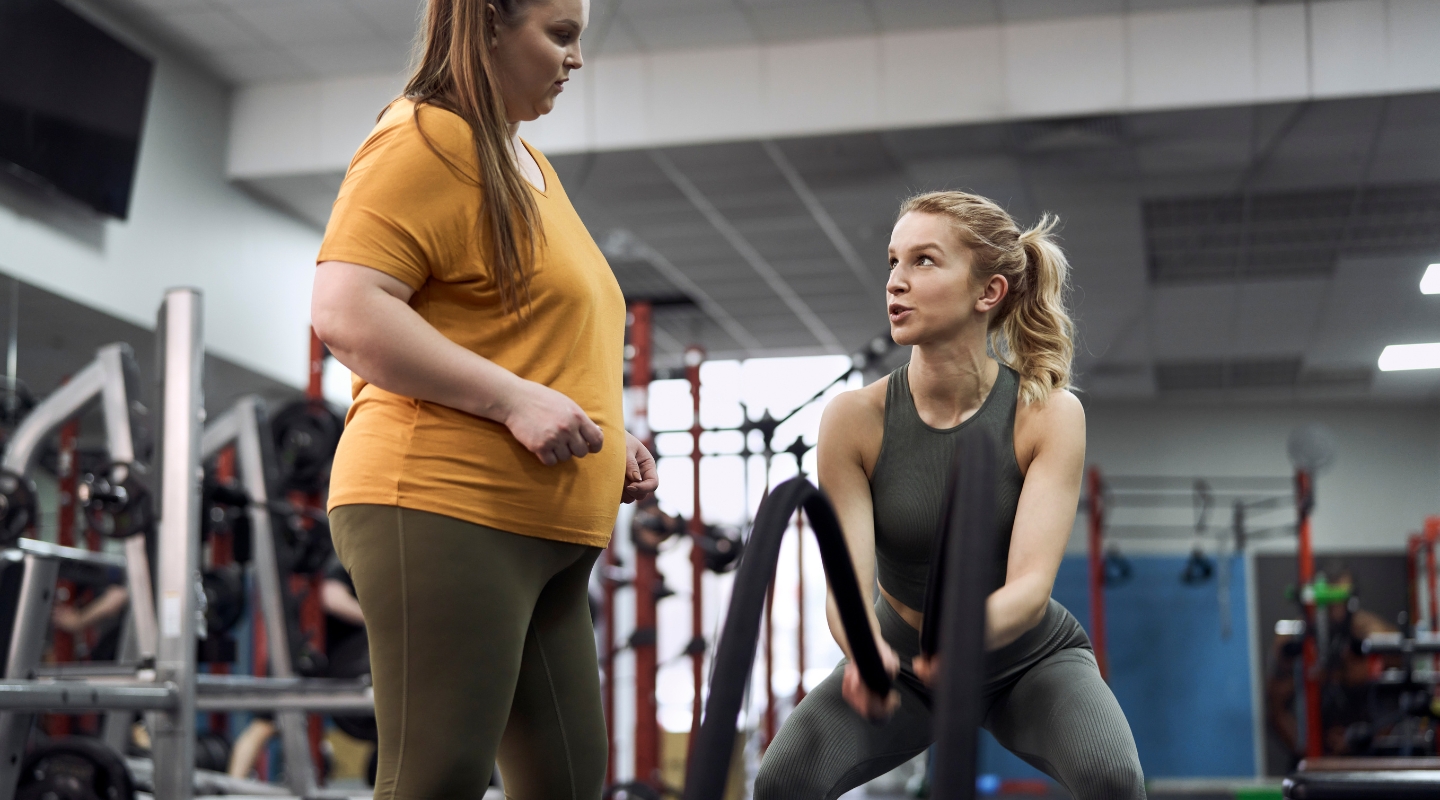
At Tusk Athletics, our group classes are led by certified coaches who guide you through every workout. You're never left guessing what to do or whether you're doing it right. The group setting creates accountability and motivation that keeps you consistent and moving toward your goals.
Start with two to three sessions per week and allow recovery days in between. As your body adapts and fitness improves, you can increase frequency. Communication with coaches is important—they can adjust programming based on how you're feeling and recovering.
Treat your workouts like non-negotiable appointments. Schedule them into your week and protect that time. Early morning classes often see the best attendance because there are fewer conflicts. Find the times that fit your life and commit to them for at least three months.
Training is just one piece of the puzzle. Proper nutrition fuels your workouts and supports recovery between sessions. Without it, your body can't adapt to training stress or build the strength you're working so hard for.
Recovery practices like sleep, hydration, and stress management directly impact results. Quality sleep allows your body to repair and strengthen tissues stressed during workouts. Most adults need seven to nine hours nightly for optimal performance and recovery.
Not all functional fitness gyms deliver the same experience. Look for facilities with certified coaches who emphasize technique and individual progression. The best gyms scale workouts for different fitness levels instead of pushing everyone through identical programming.
Visit during class times to observe coaching style and community atmosphere. Notice whether trainers actively coach during workouts or just call out exercises. Quality coaching makes all the difference between effective training and wasted time or potential injury.
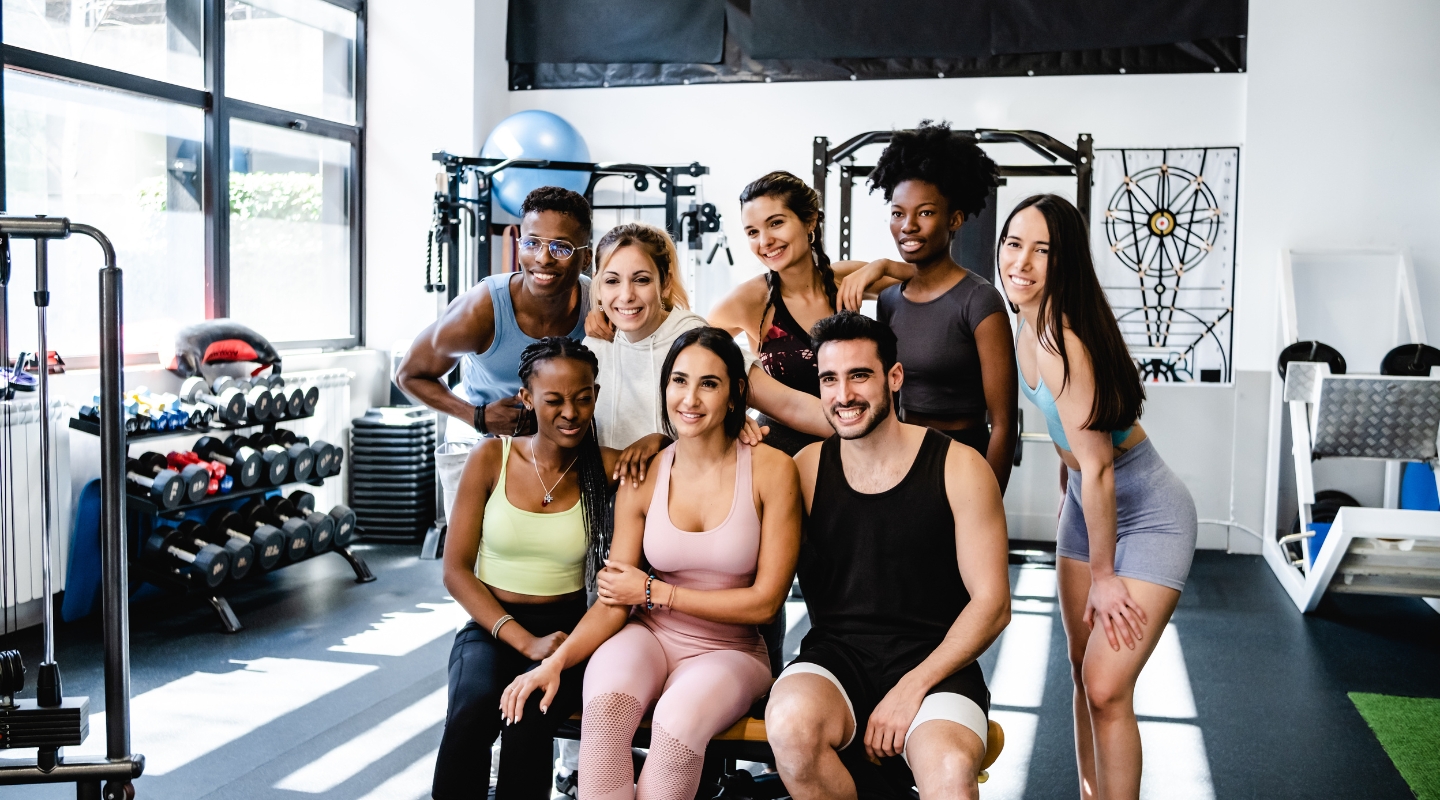
The right gym community transforms fitness from a chore into something you look forward to. Look for environments where members encourage each other regardless of fitness level. Some thrive in competitive settings, while others prefer supportive, non-competitive spaces.
Consider class schedules and whether they fit your availability. The perfect gym doesn't help if classes conflict with work or family. At Tusk Athletics, we offer early morning, midday, and evening options to accommodate different schedules across Glendale and North Phoenix.
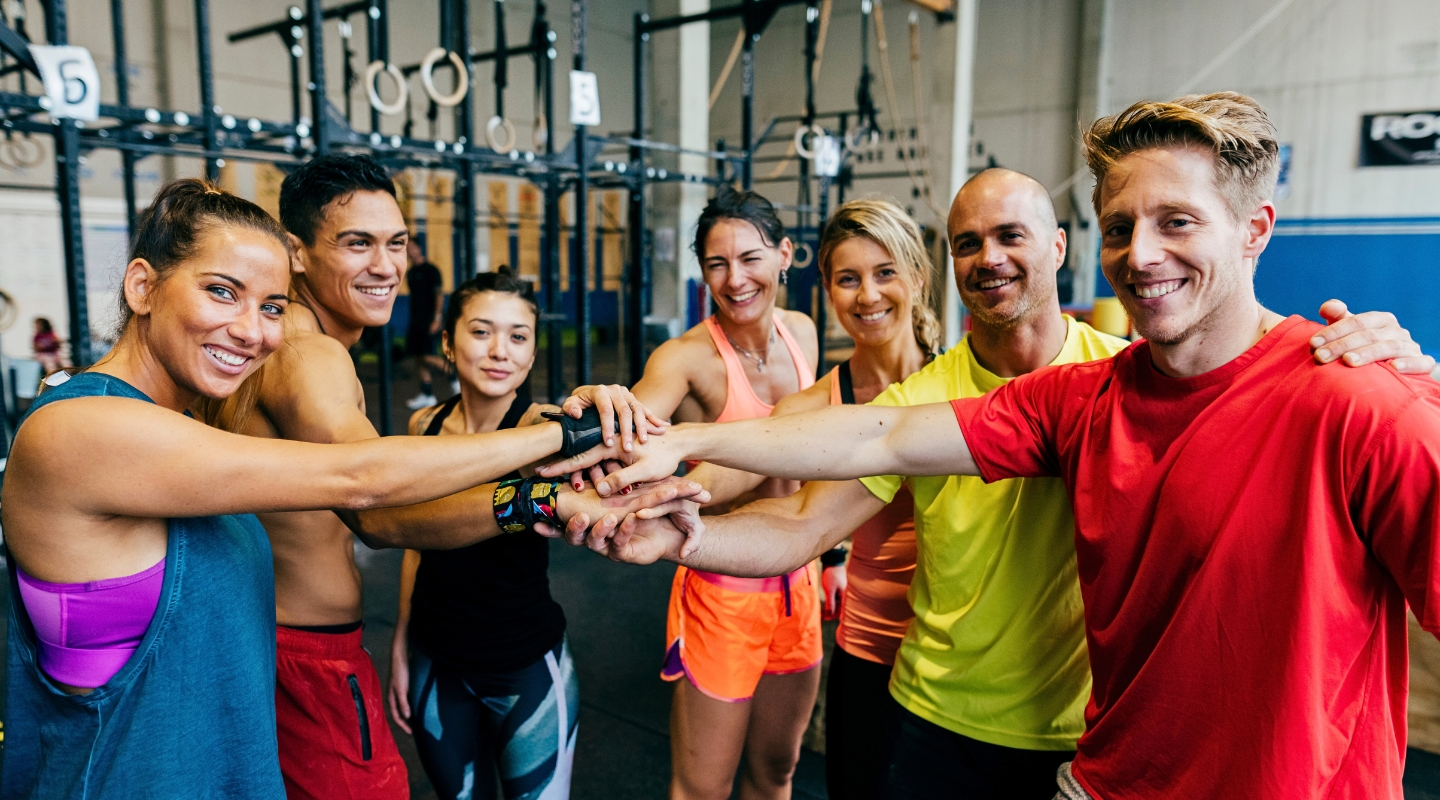
We're more than a gym—we're a community built on coaching, progress, and real support. From the moment you walk through our doors, you'll notice a different vibe. We make it a point to greet every member by name and celebrate every bit of progress, big or small.
Our coaches don't just lead workouts. They build relationships, answer questions, and guide you through your entire fitness journey. We adjust plans based on your needs, track your progress, and make sure you always know what comes next.
Our welcoming environment means you'll never feel judged, ignored, or out of place. We create a space where showing up is the hardest part—and we make that easier every single day. Members stay because they feel like part of something real. Whether you're in North Phoenix, Glendale, or the surrounding areas, we make it easy to join a supportive, motivating community.
We offer flexible memberships, trial classes, and consultations that fit busy schedules. You can book a free trial class or consultation online at tuskathleticsaz.com or call us directly at +1 (623) 267‑9211. Whether you’re ready to dive in or just want to explore, we have a spot for you.
Functional fitness trains movement patterns your body uses in everyday life rather than isolating individual muscles. This builds practical strength, mobility, and endurance that improves daily activities and reduces injury risk through multi-joint, integrated exercises.
Absolutely not. Tusk Athletics welcomes all fitness levels and scales every workout to individual abilities. Our coaches modify exercises to match your current capacity while progressively challenging you as you improve over time.
Start with two to three sessions weekly, allowing rest days for recovery. As your fitness improves and your body adapts, you can increase to four or five times weekly. Consistency matters more than volume—regular attendance produces better results than sporadic training.
Functional fitness effectively supports weight loss when combined with proper nutrition. The high-intensity workouts burn significant calories while building muscle that increases metabolism. Sustainable weight loss requires addressing diet, sleep, stress, and consistent exercise together.
Wear comfortable athletic clothing that allows full range of motion. Choose moisture-wicking fabrics and athletic shoes with minimal cushioning for better stability. Avoid loose clothing that might catch on equipment, and bring a water bottle for hydration.
Most people notice improved energy and movement quality within two weeks. Visible physical changes typically appear after four to six weeks of consistent training. Strength and performance improvements often show up before aesthetic changes, so track multiple markers.
Functional fitness is excellent for older adults when properly scaled and coached. The focus on movement quality and injury prevention makes it ideal for maintaining independence and quality of life. We offer programming that emphasizes mobility and stability for all ages.