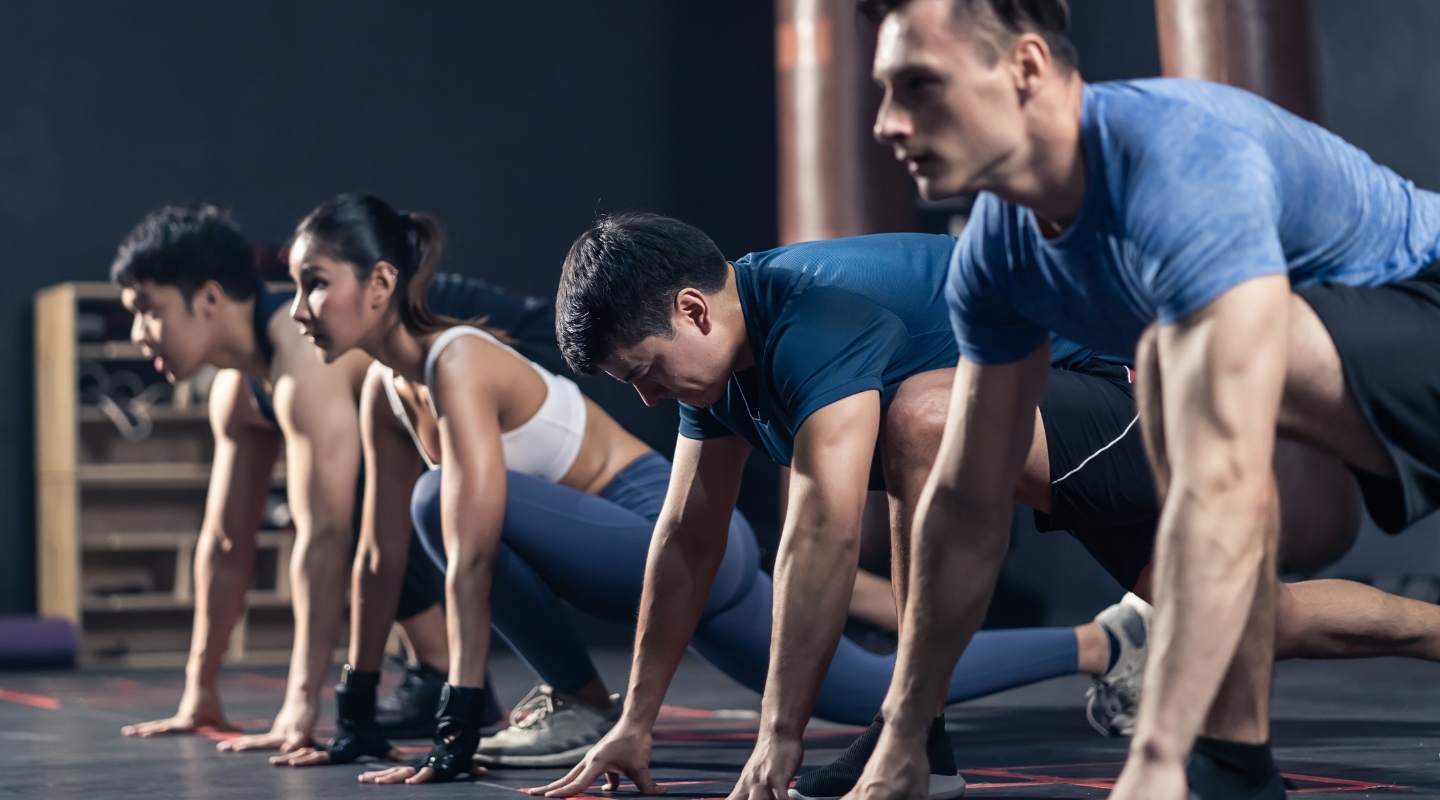
Developing young athletes in Anthem and the greater Phoenix area starts with the right training program. Youth athletic training goes beyond basic exercise by building strength, coordination, agility, and confidence that support lifelong athletic success. Tusk Athletics in Phoenix offers specialized Kids Classes that help young athletes improve their skills in any sport while developing a lasting love for fitness.
Parents recognize that early athletic development supports a child’s physical and mental growth. The right training environment builds athletic ability while teaching values like dedication, teamwork, and perseverance. Whether a child is new to sports or seeking a competitive edge, professional youth athletic training provides the structure and guidance needed to reach their full potential.
Youth athletic training develops essential movement skills that form the foundation for all sports. Childhood and adolescence are ideal for learning proper technique, as the body is highly adaptable during these years. Professional training helps young athletes build relative strength and develop the explosive power needed for athletic performance.
Beyond physical gains, structured athletic training teaches goal-setting, discipline, and resilience. Children learn that progress comes from consistent effort and proper technique, not shortcuts. The confidence built through skill mastery carries over into competition, helping young athletes perform when it matters most.
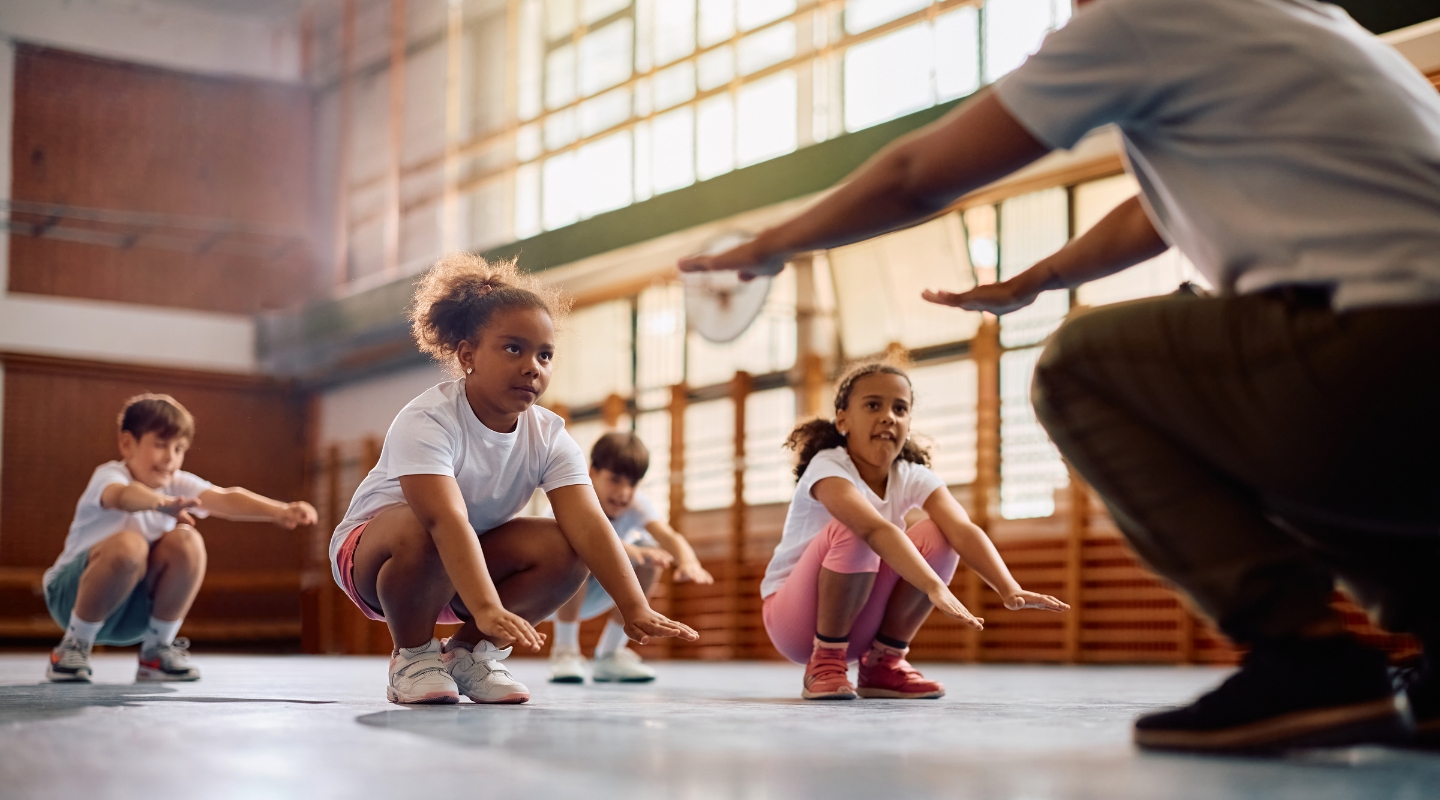
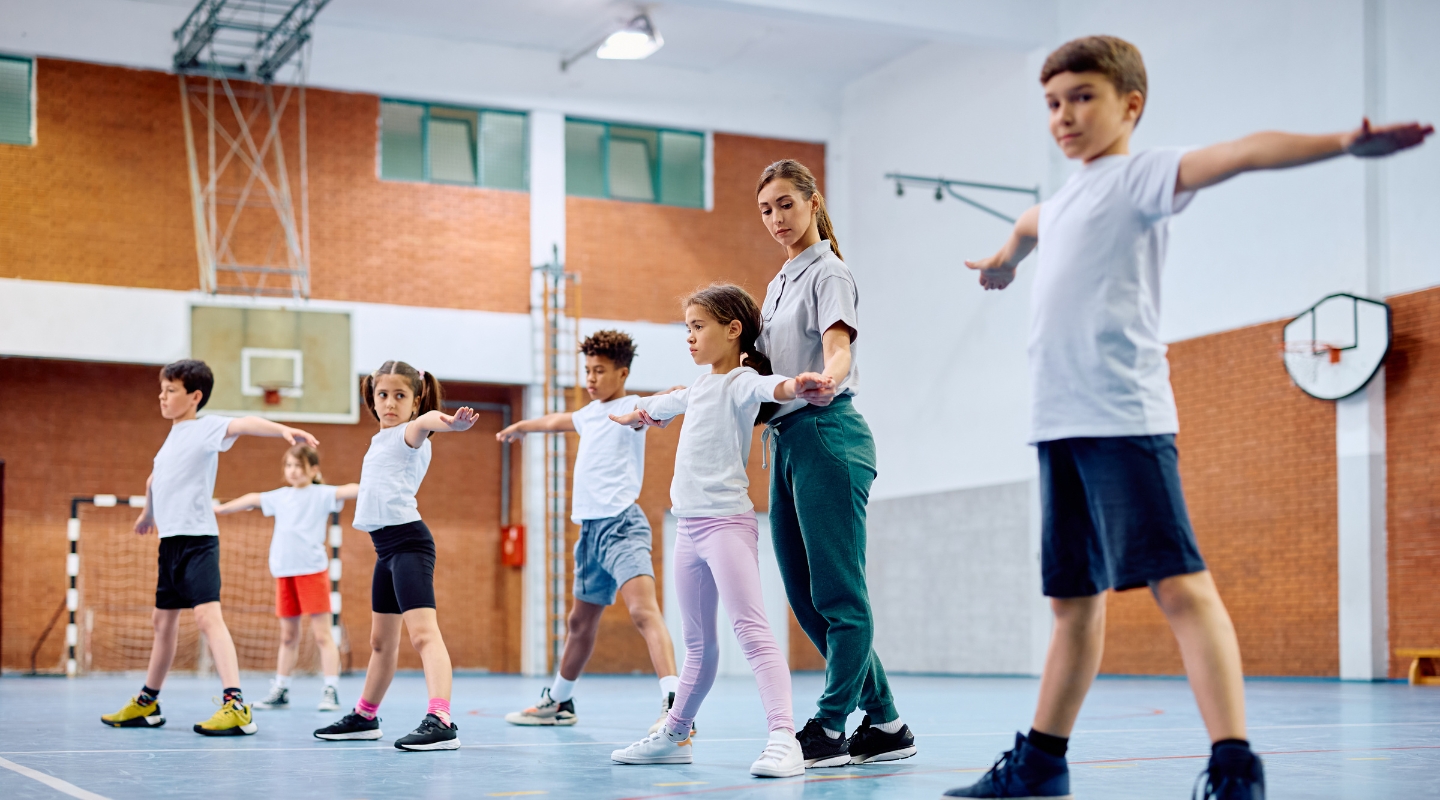
Fundamental movement skills are the foundation of success in all sports, including running, jumping, landing, throwing, and catching. Youth athletic training develops these skills through age-appropriate, engaging exercises that build confidence and coordination.
Training that emphasizes fundamentals also helps identify and correct movement deficiencies before they become ingrained habits. Many young athletes develop compensatory movement patterns that can limit their performance or increase injury risk as they grow older. Professional coaches can spot these issues early and provide corrective exercises.
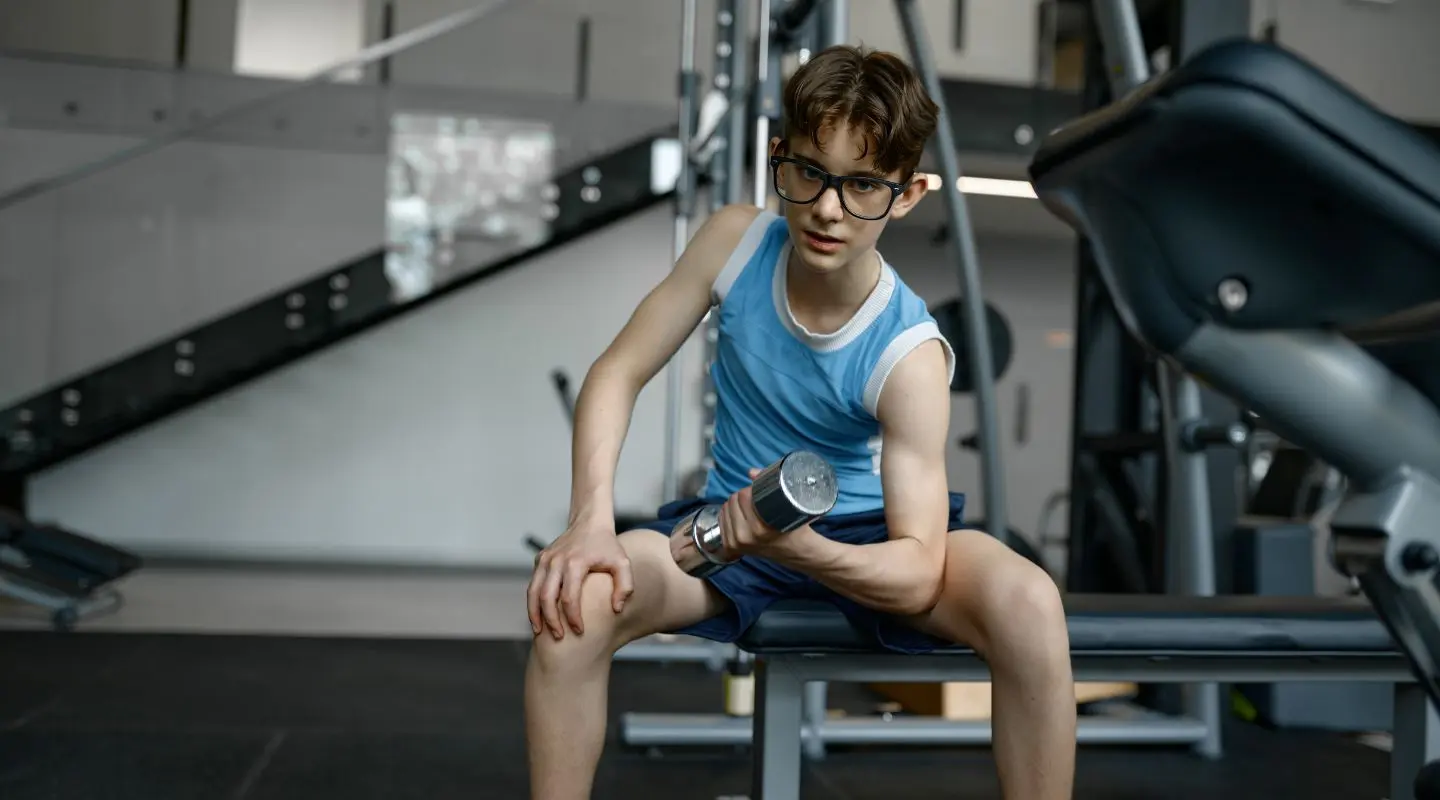
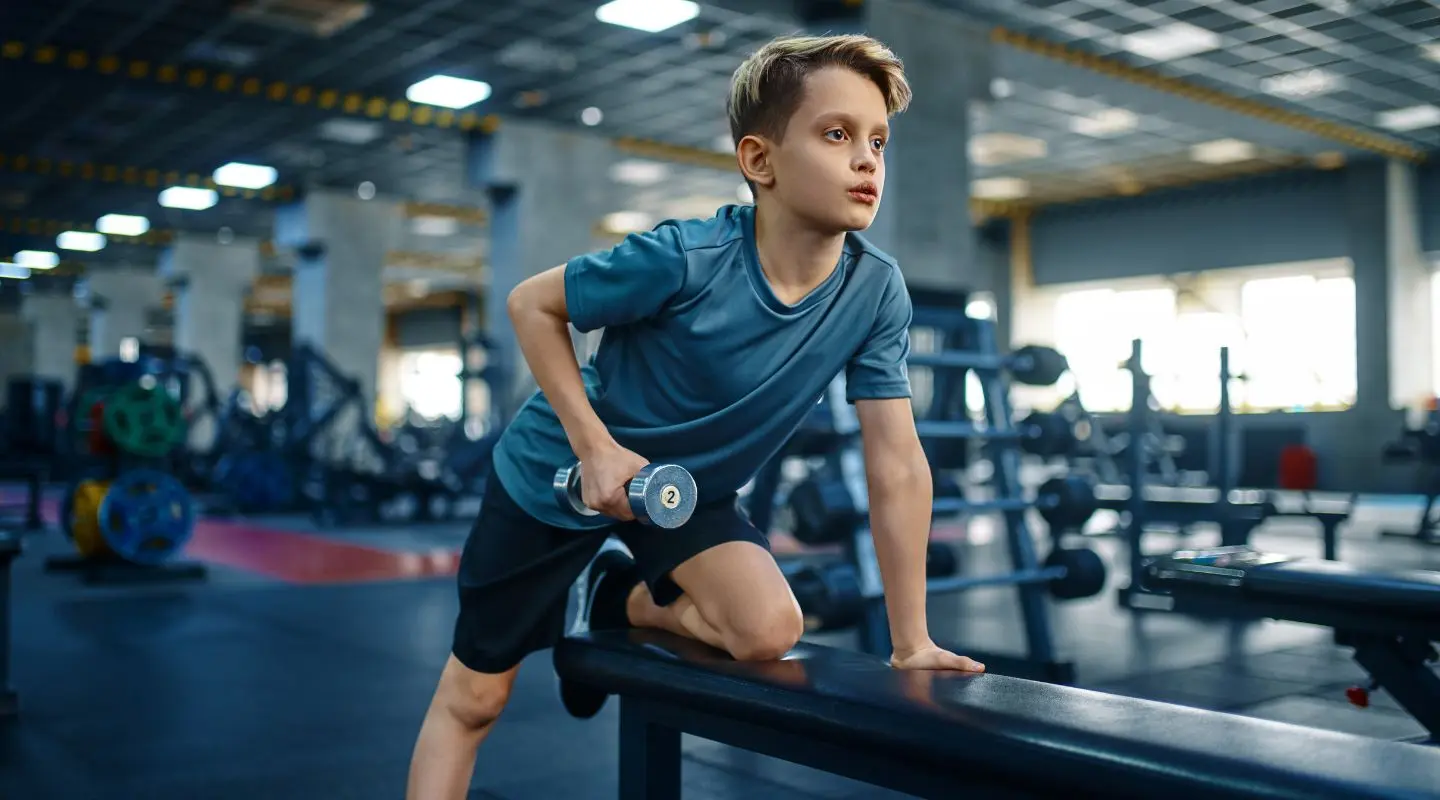
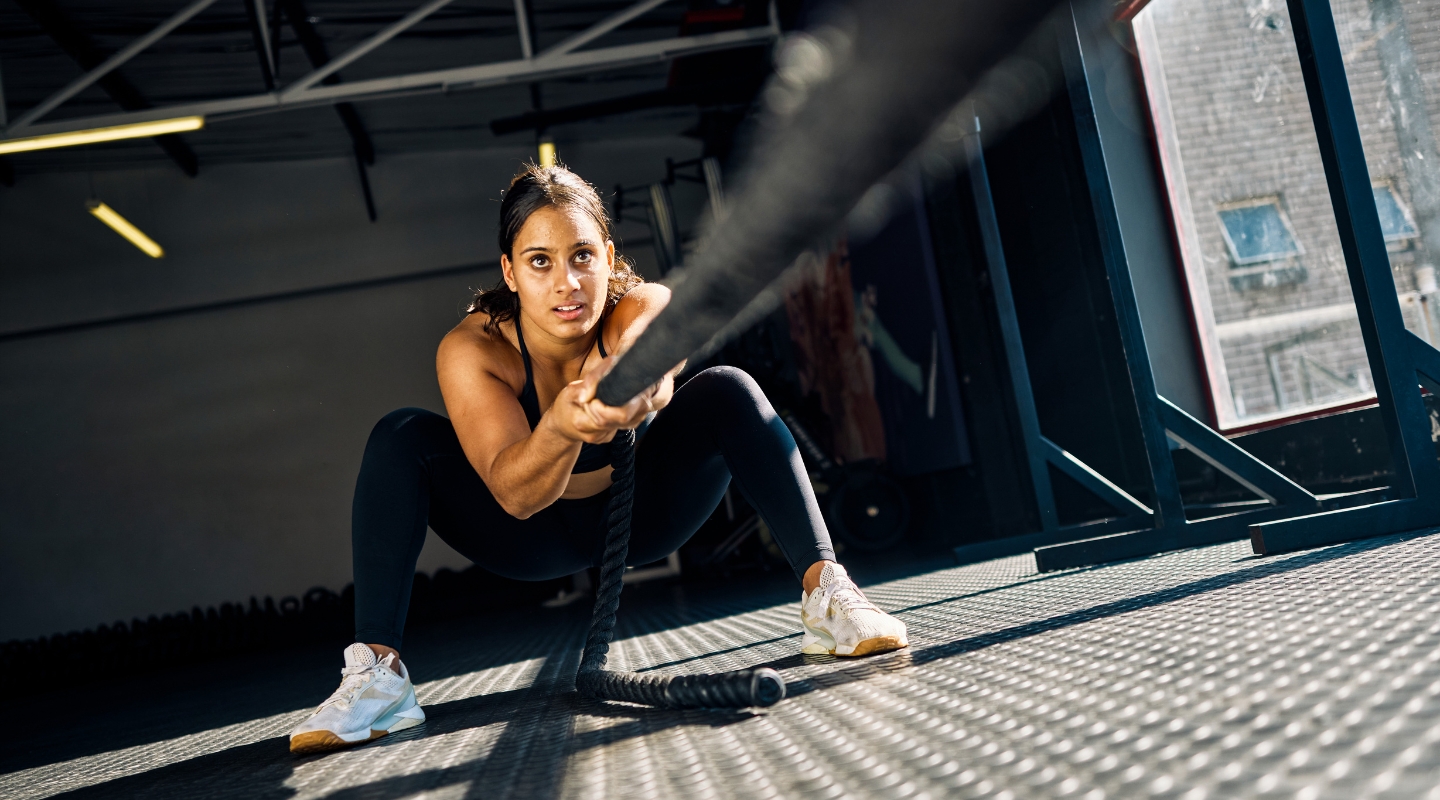
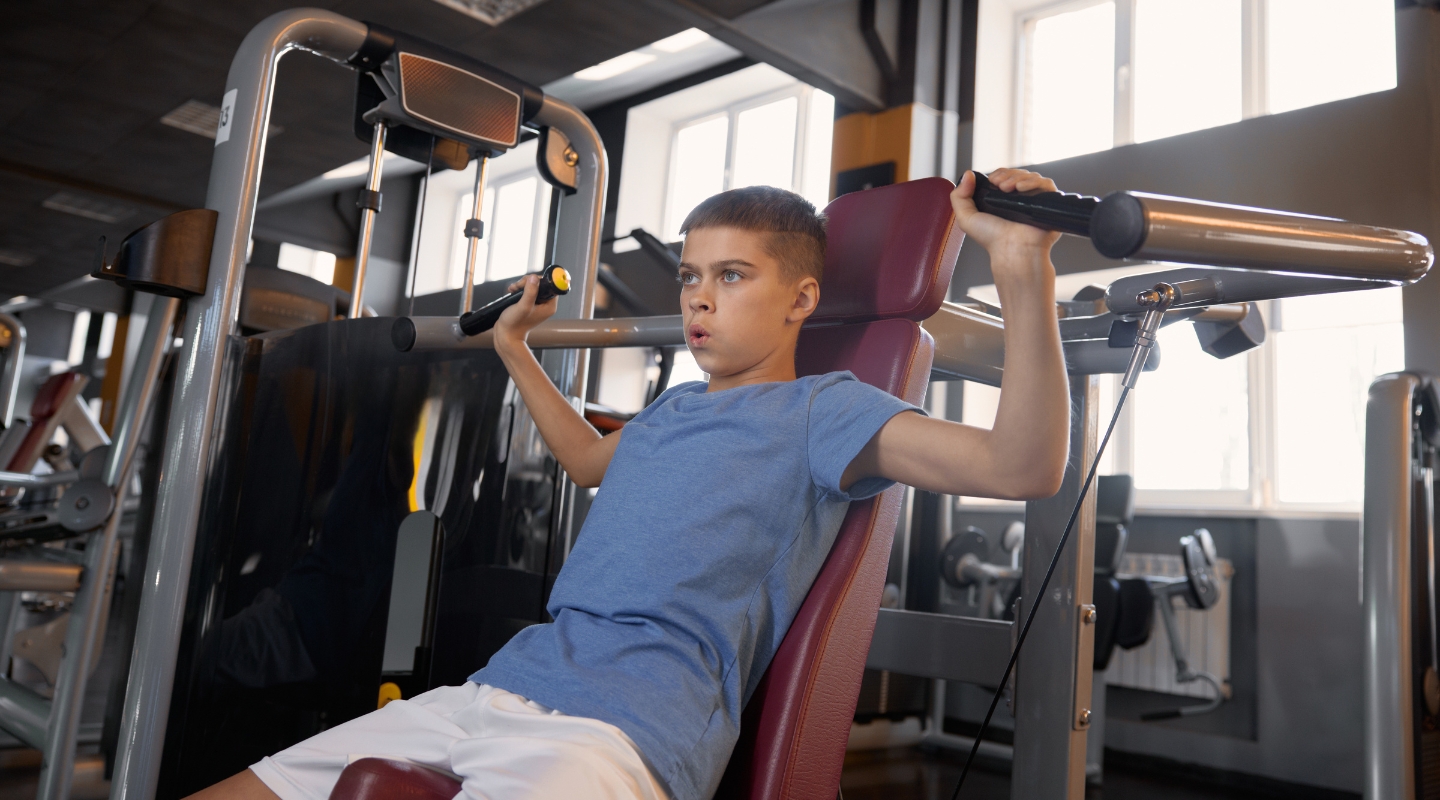
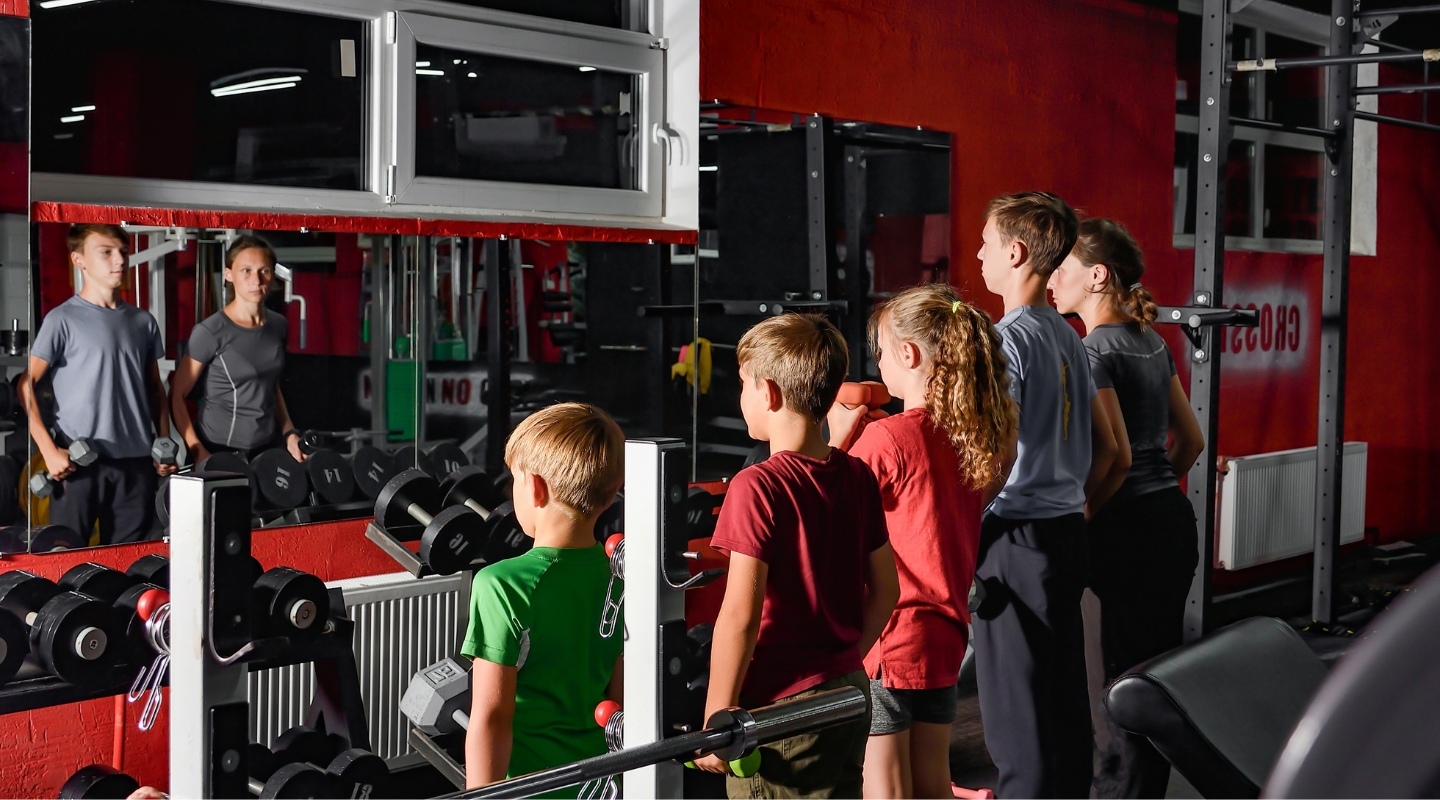
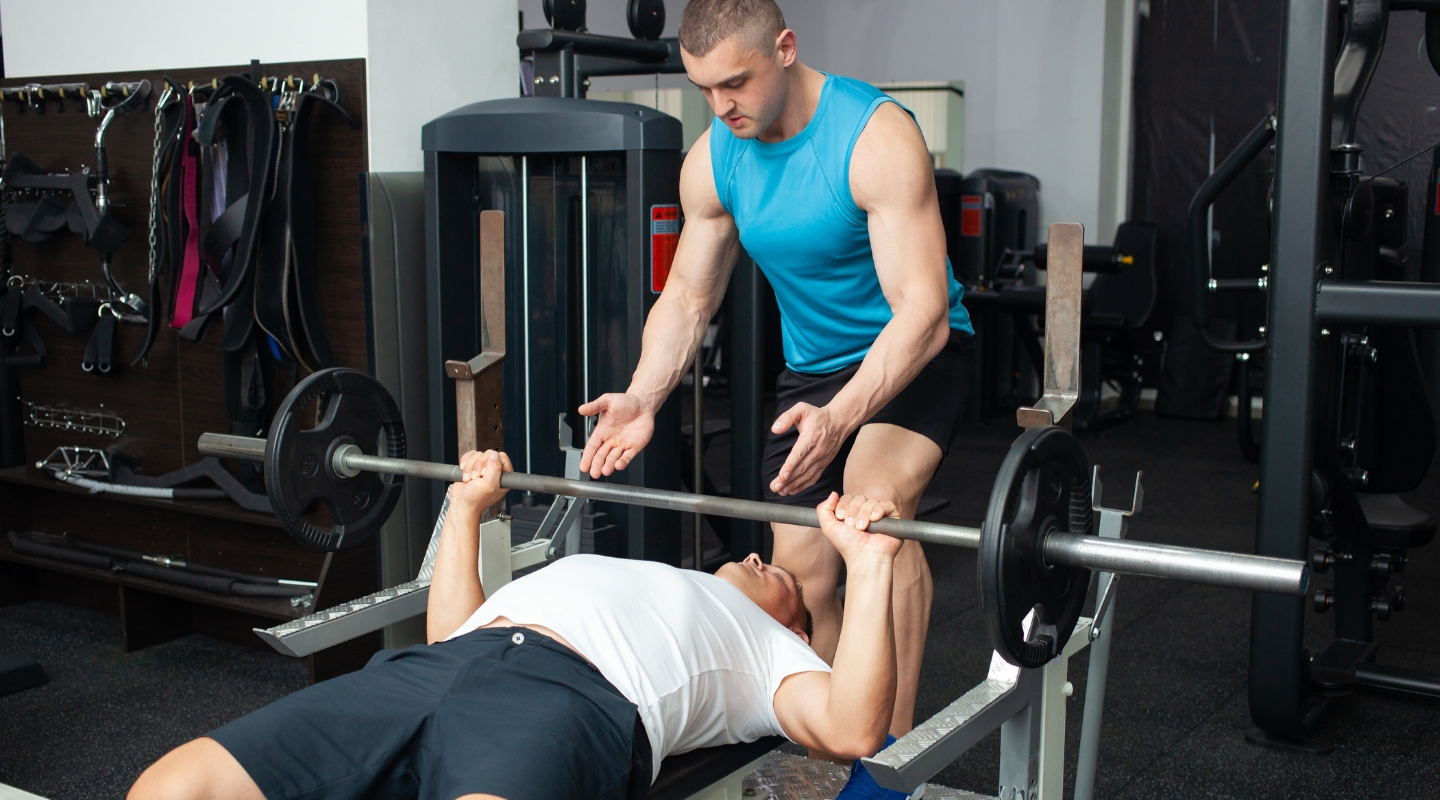
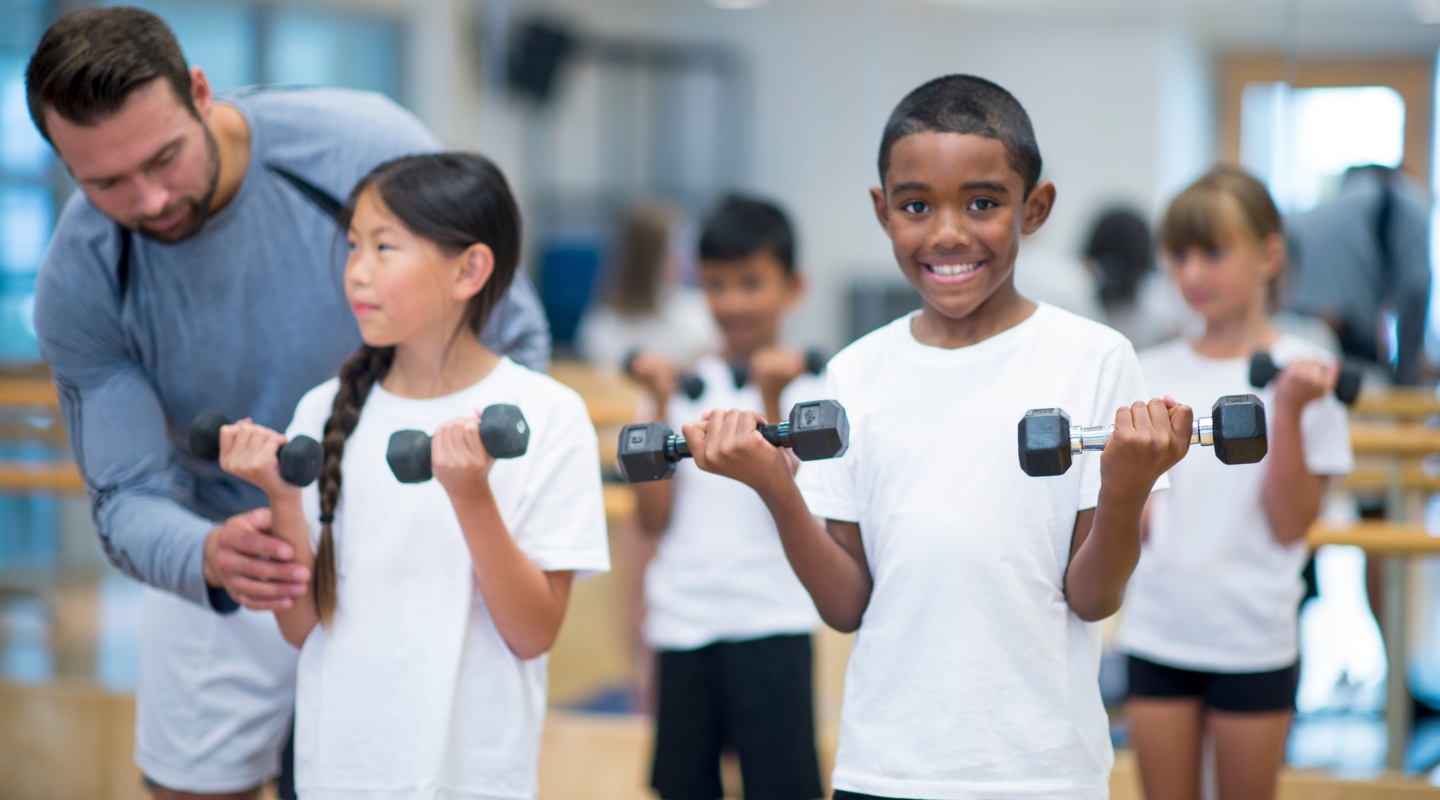
Contrary to common myths, properly supervised strength training is safe and highly beneficial for children. Youth programs use bodyweight movements and age-appropriate resistance to build functional strength without risking growth plate injury. This approach improves bone density, muscular endurance, and overall resilience for competitive sports.
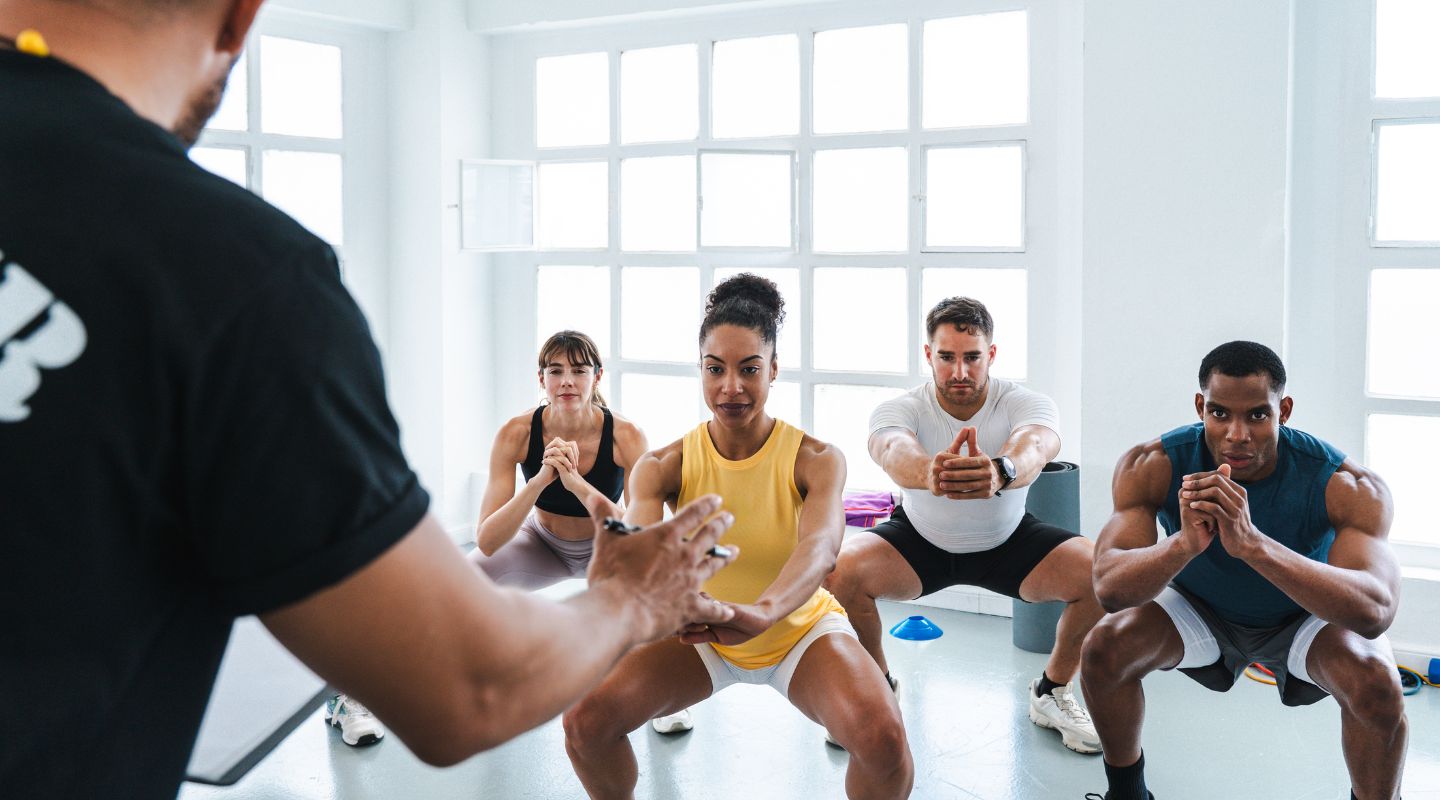
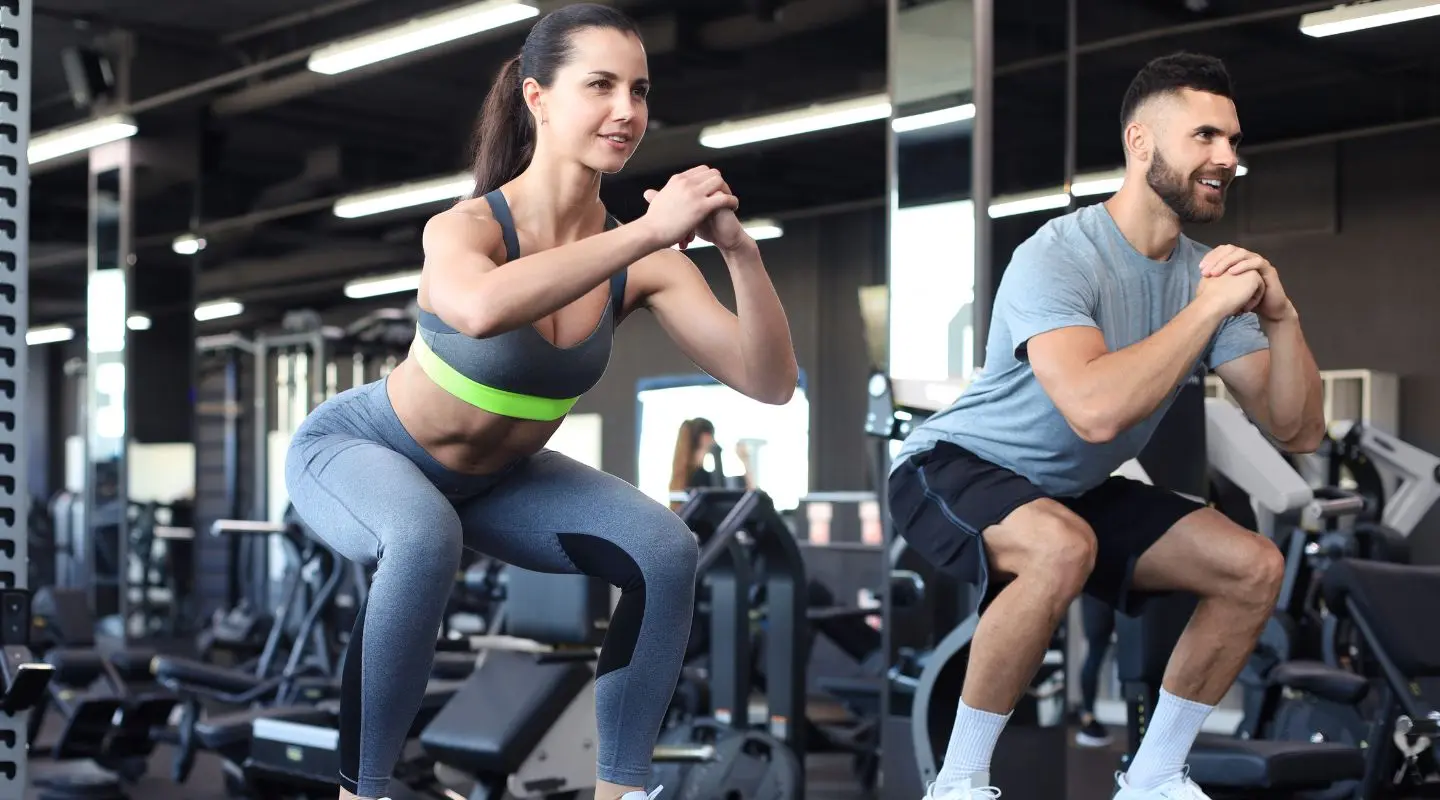
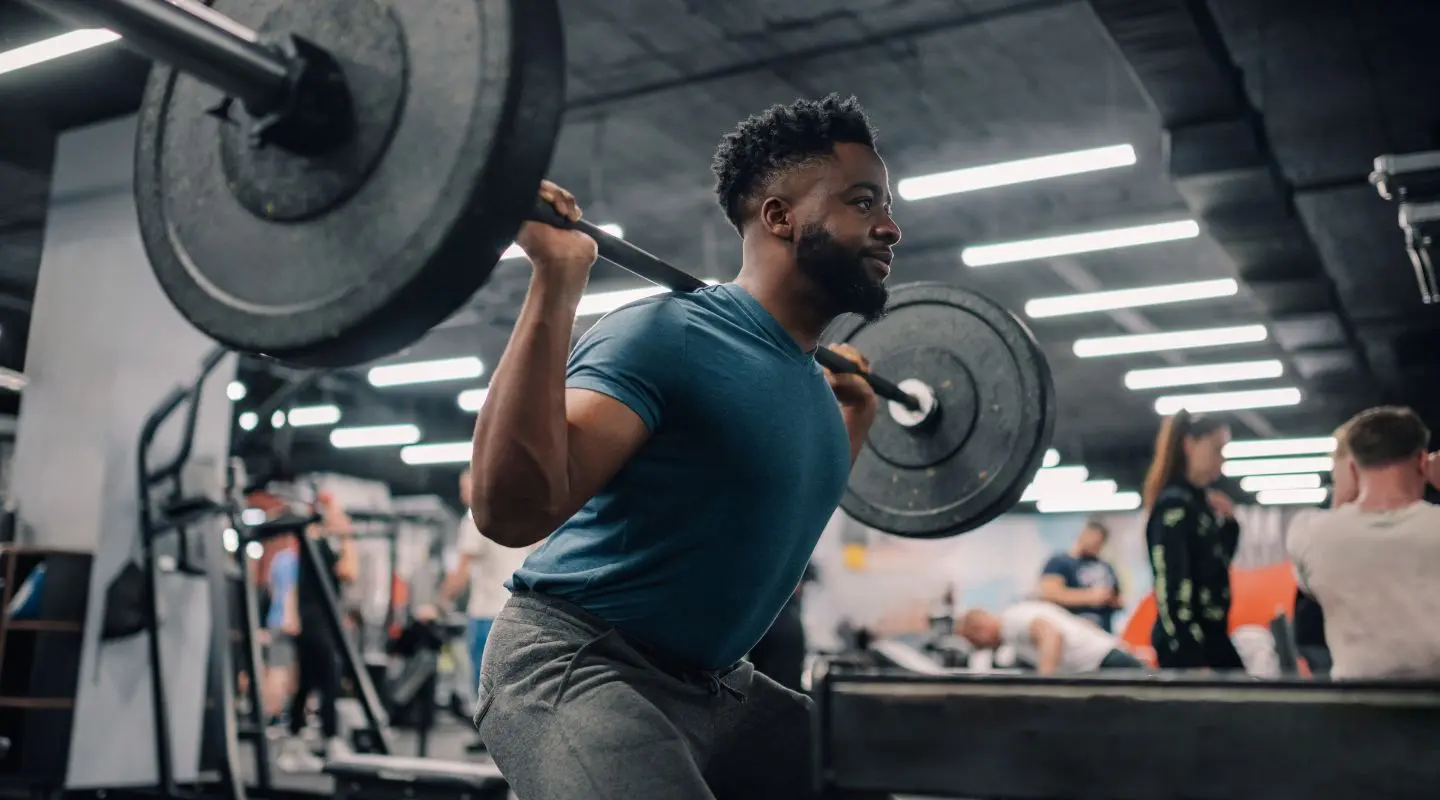
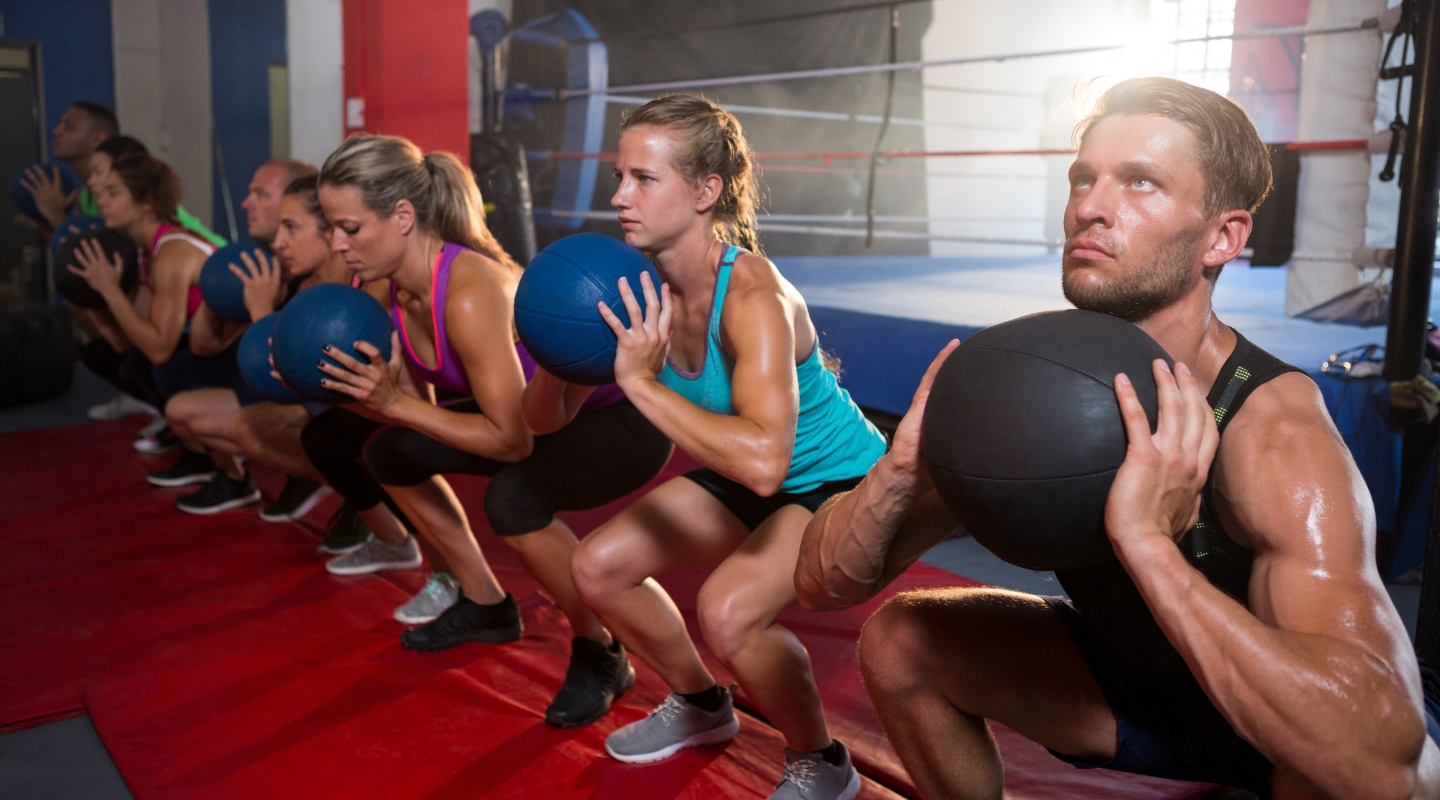
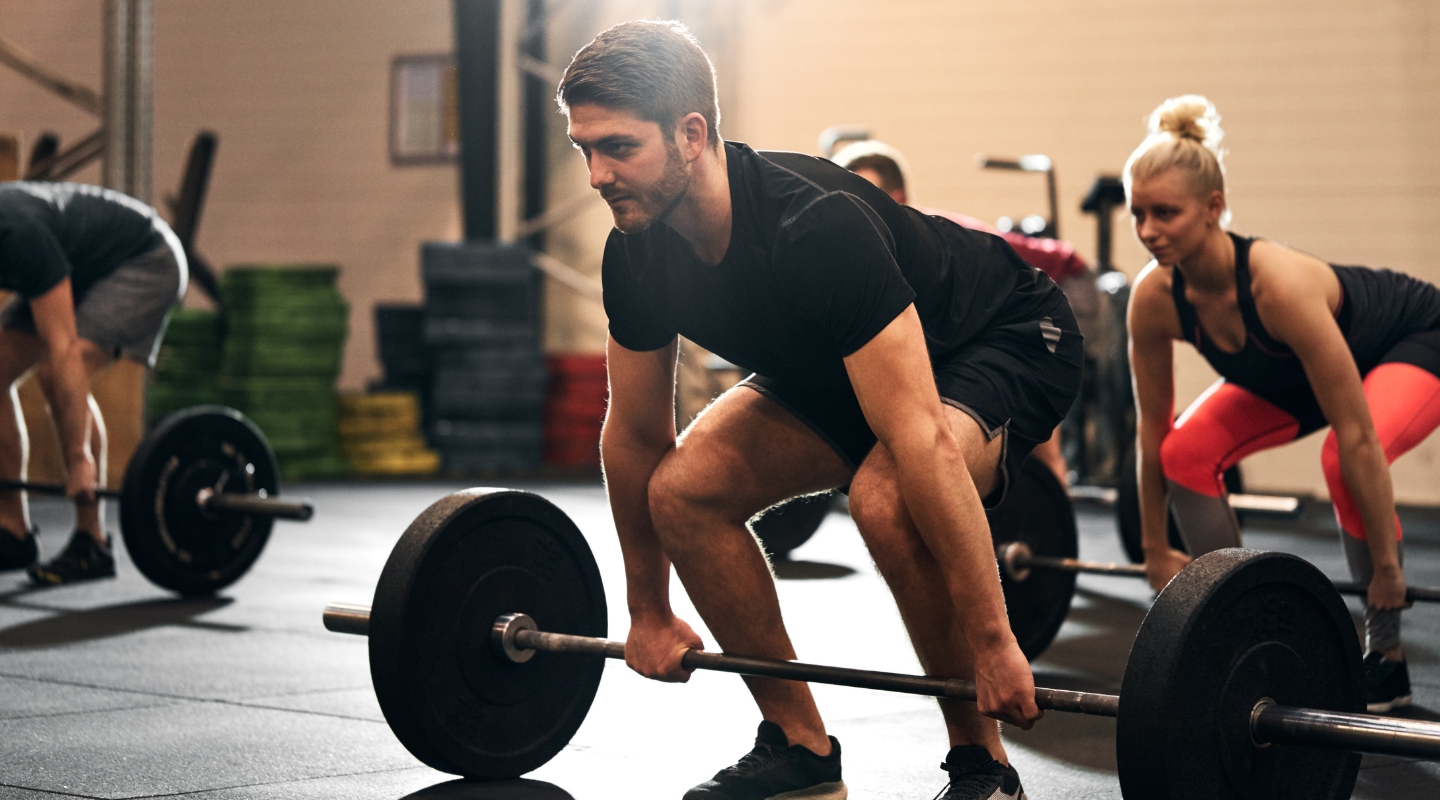
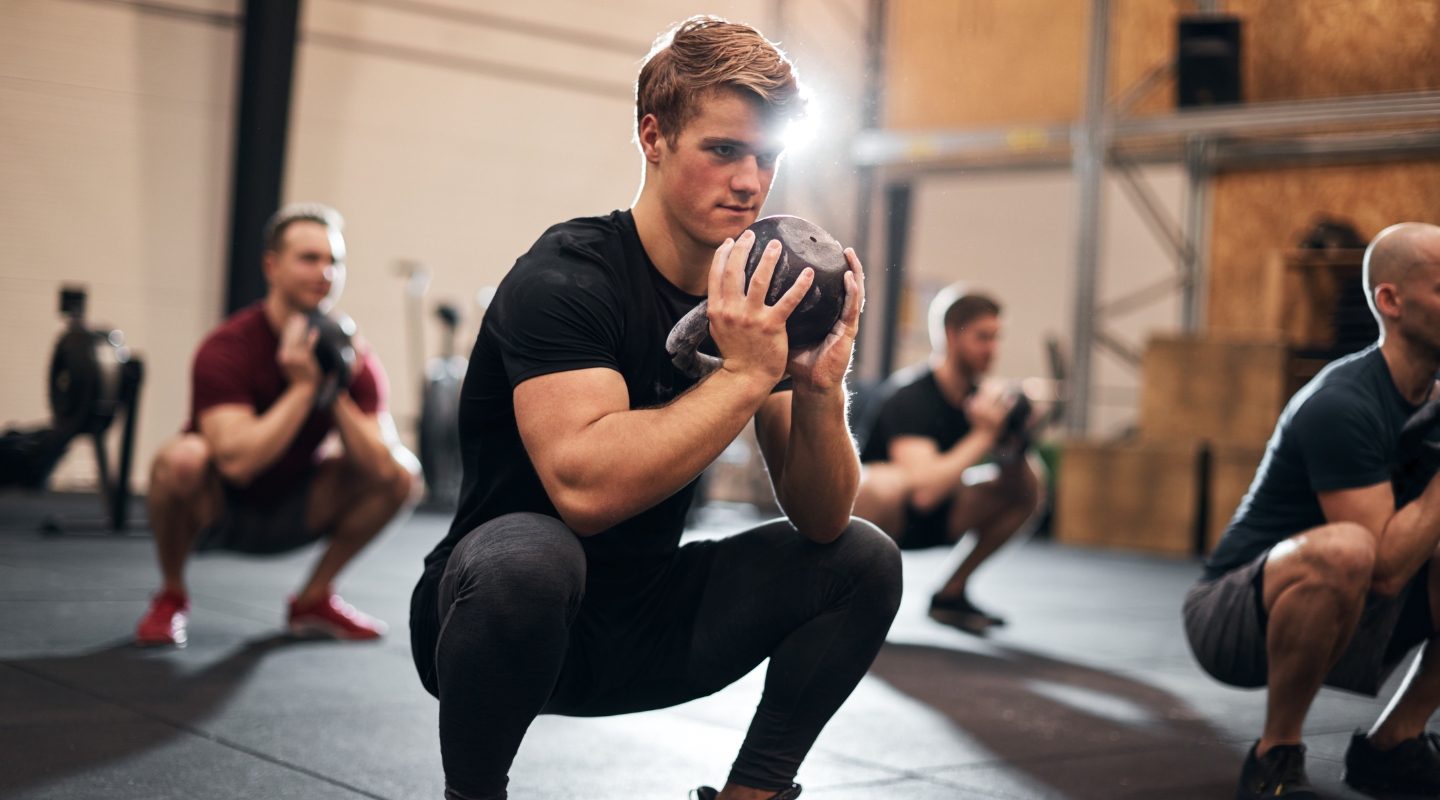
Progressive strength training builds body awareness and control that directly improves sport performance. Proper movement mechanics, such as squatting, enhance power for actions like jumping or sprinting. Conditioning work also develops cardiovascular endurance, allowing young athletes to perform at a high level throughout entire games and competitions.
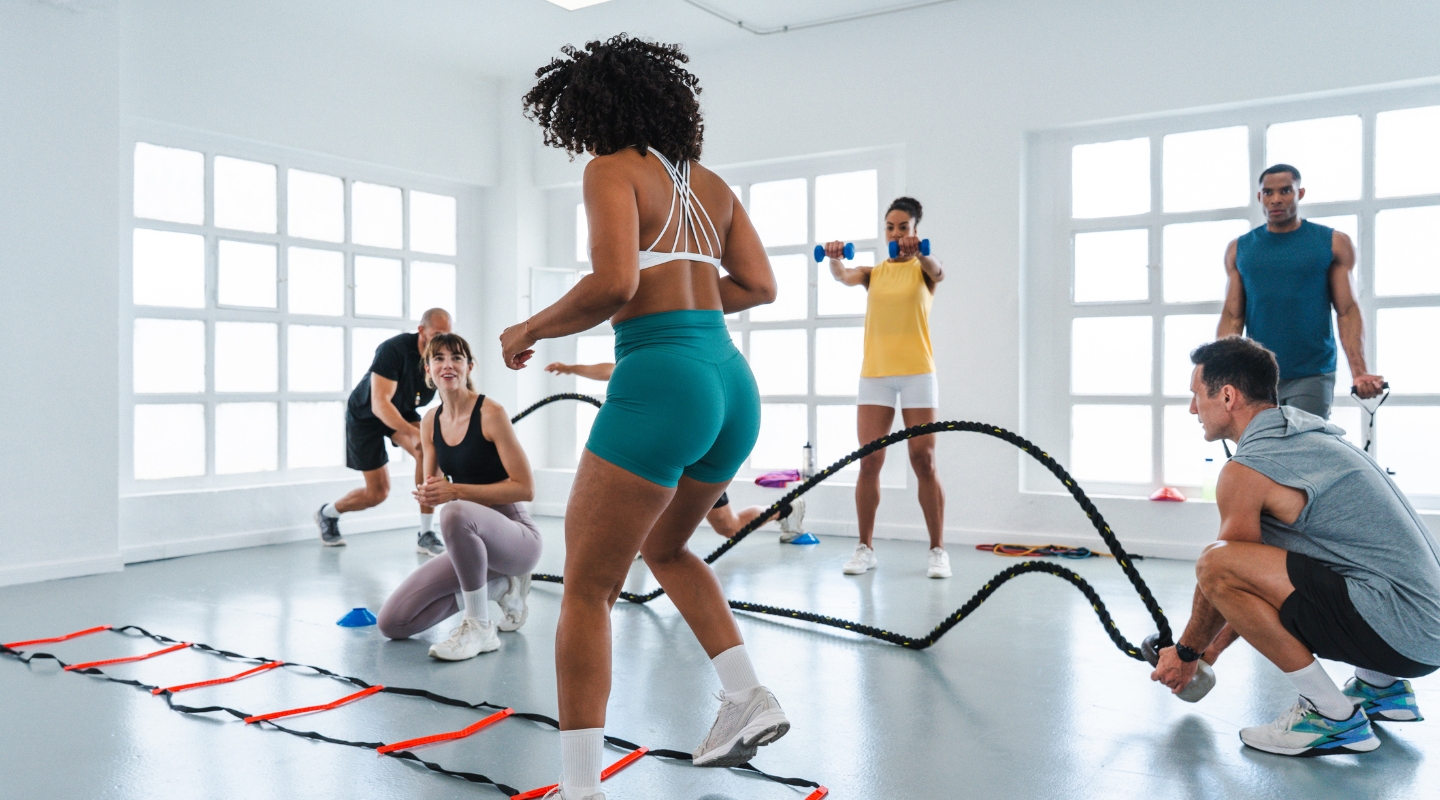
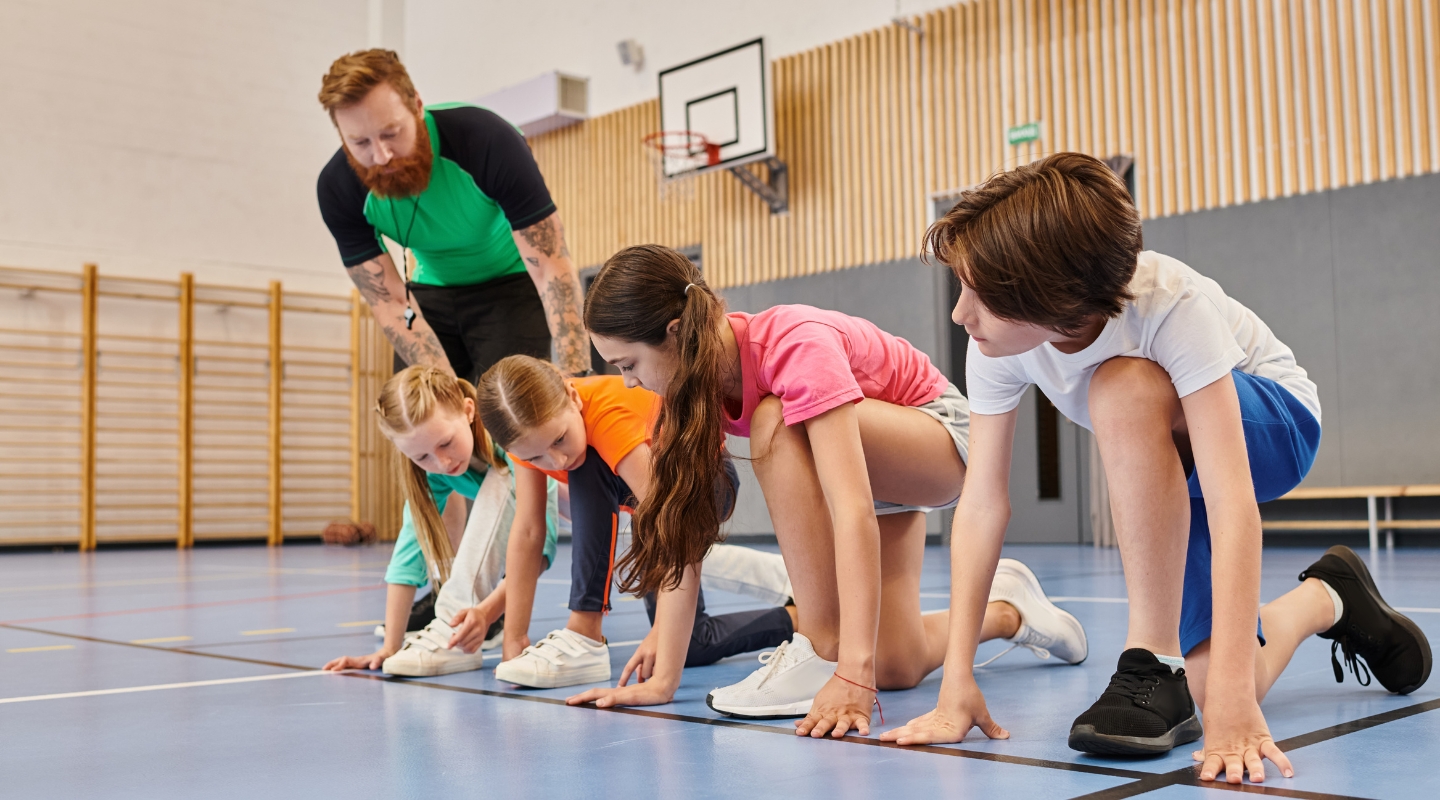
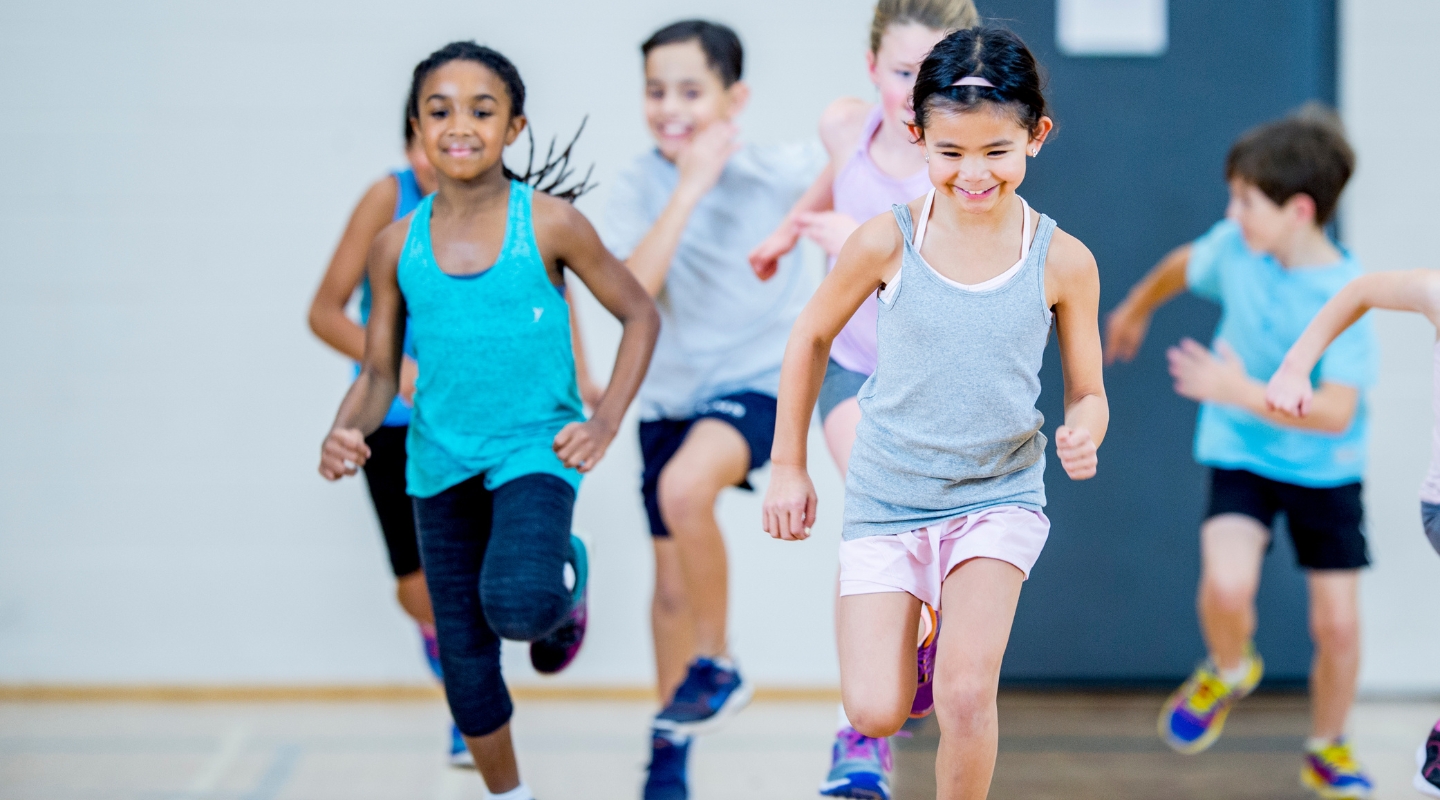
Speed, agility, and quickness training is a vital part of youth athletic development, improving performance across nearly every sport. These programs teach children to accelerate efficiently and react to dynamic situations. Ladder drills, cone exercises, and reactive training help develop the neural pathways for fast, precise movement.
SAQ training also enhances proprioception—awareness of the body in space—which is crucial for coordination. Children become more nimble and responsive, able to adapt to the unpredictable demands of sports. Improved agility gives a measurable competitive advantage in activities like dodging defenders, reacting to serves, or stealing bases.
While general athletic development is important, sport-specific training helps young athletes refine the skills needed for their chosen sport. This allows practice of the exact techniques and strategies used in competition. The best programs balance sport-specific work with general training to prevent overuse injuries and develop well-rounded athletes.
Cross-training through varied activities enhances sport-specific performance by developing different muscles and movement patterns. A basketball player who also trains general strength and conditioning often outperforms peers who focus solely on basketball. Diverse training builds adaptable athletes capable of excelling in multiple sports.
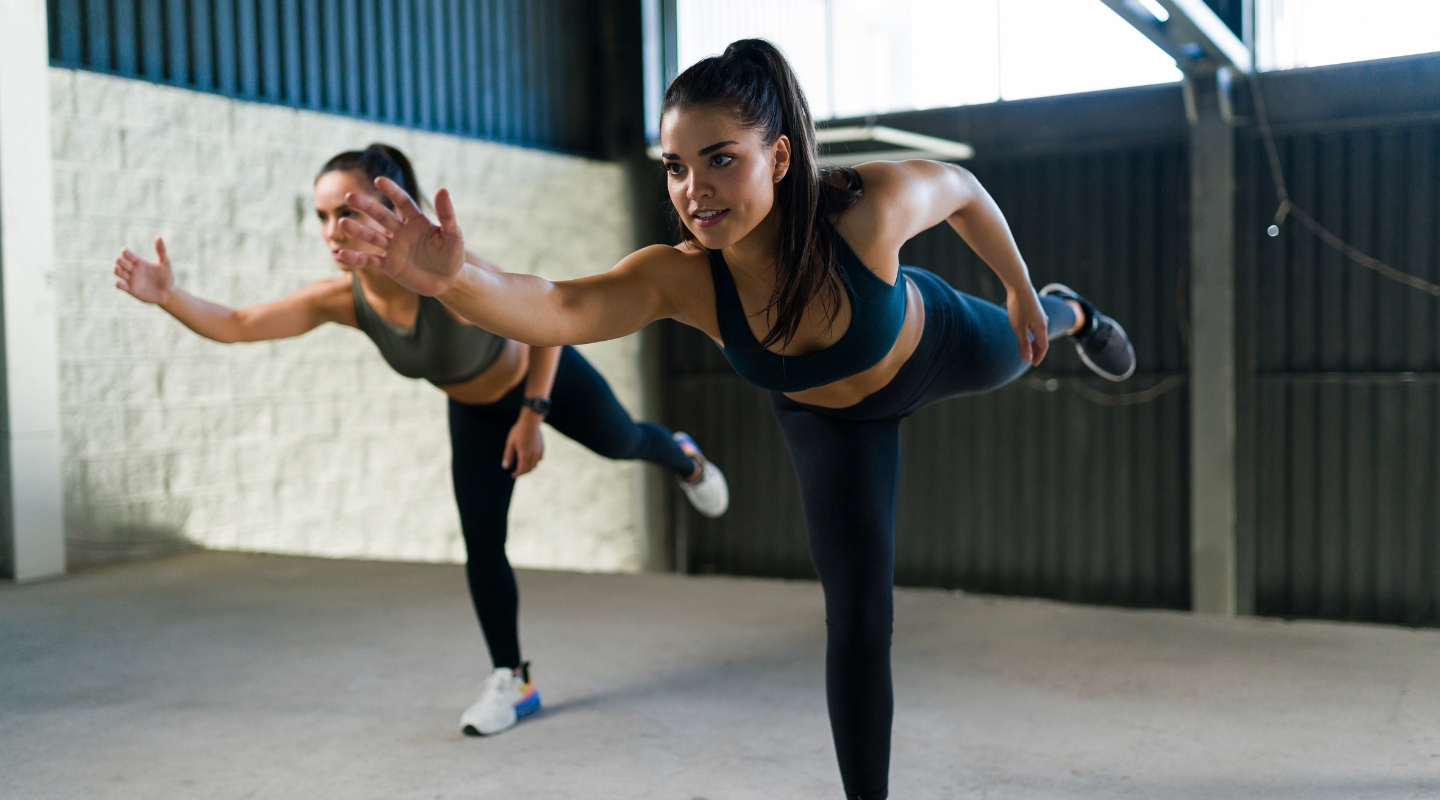
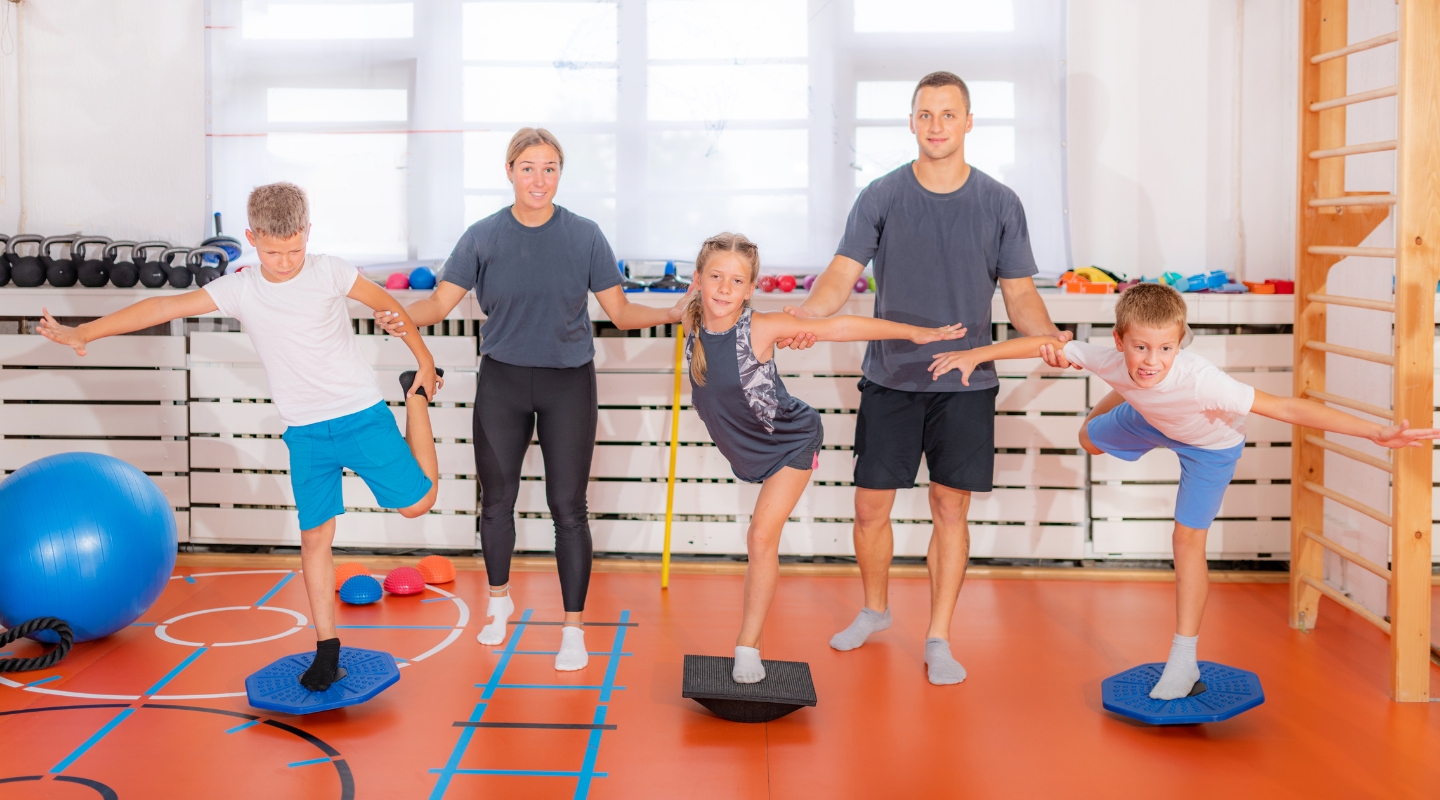
One of the most valuable aspects of professional youth athletic training is its emphasis on injury prevention. Young athletes learn proper warm-up protocols, stretching techniques, and recovery strategies that protect their developing bodies. Training programs that include balance work create structural resilience that reduces the likelihood of common sports injuries.
Quality coaching develops body awareness, helping young athletes recognize limits and know when to push or rest. This guidance supports long-term athletic longevity, giving parents confidence that their children are training smart while building the physical skills needed for competitive success.
Youth athletes face unique injury vulnerabilities because their bodies are still developing. Growth plates—areas of developing tissue at the ends of long bones—are weaker than mature bone and more susceptible to damage from repetitive stress or improper movement patterns. Understanding sport-specific injury risks helps parents appreciate why comprehensive athletic training goes beyond performance enhancement to become essential injury prevention.
Research consistently shows that injury prevention programs incorporating strength, balance, and neuromuscular training significantly reduce injury rates in youth athletes across multiple sports disciplines.
Soccer's repetitive running, cutting, and sudden directional changes place tremendous stress on lower extremities. Youth soccer players frequently experience ankle sprains and knee injuries due to the sport's dynamic movement demands. However, neuromuscular training programs that emphasize balance and dynamic stability have been shown to reduce ankle sprain risk by improving joint control under load.
Proper athletic training builds the leg strength and coordination necessary for safe cutting movements and landing mechanics. Young soccer players who participate in structured conditioning programs develop better movement efficiency, which translates directly to fewer acute and chronic lower-extremity injuries throughout their playing careers.
Baseball's repetitive overhead throwing motion creates unique injury risks for young arms. Conditions like Little League elbow result from repeated stress on growth plates in the elbow, particularly when young pitchers throw too frequently without adequate rest. These overuse injuries can have long-term consequences if not properly addressed through training and pitch count management.
Athletic training that strengthens the rotator cuff, scapular stabilizers, and core muscles helps distribute throwing forces more evenly, reducing undue stress on vulnerable joints. Comprehensive strength and conditioning programs combined with proper throwing protocols significantly decrease the risk of arm injuries in youth baseball players, allowing them to enjoy the sport safely for years to come.
Athletic training helps children build mental toughness that extends beyond sports. Facing challenges in a supportive setting teaches them to embrace discomfort, persevere, and celebrate progress—skills they carry into academics, social situations, and future careers.
Confidence from athletic achievement motivates continued effort and improvement. Mastering challenges teaches children that dedication leads to results, building self-efficacy that shapes how they approach future challenges with optimism and determination.
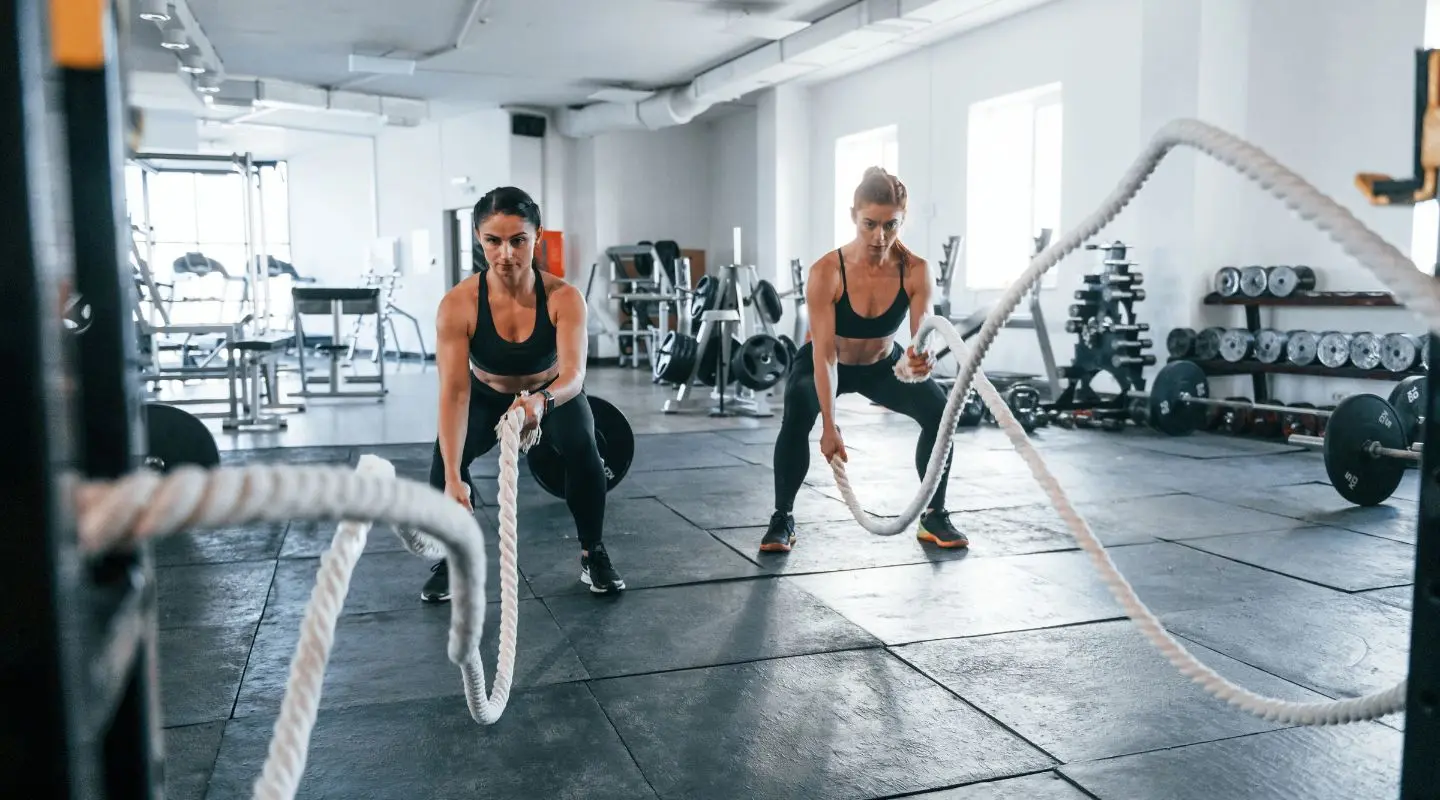
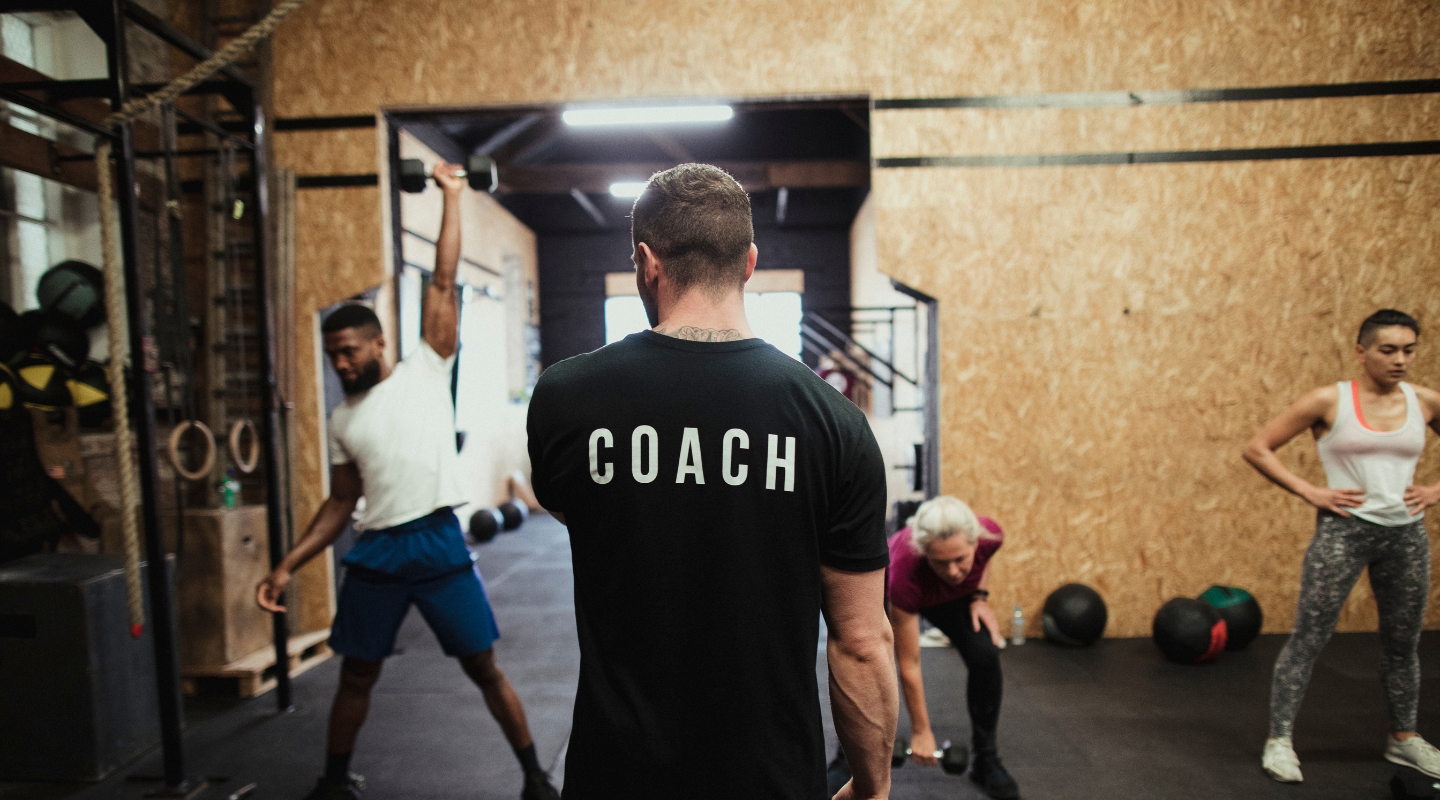
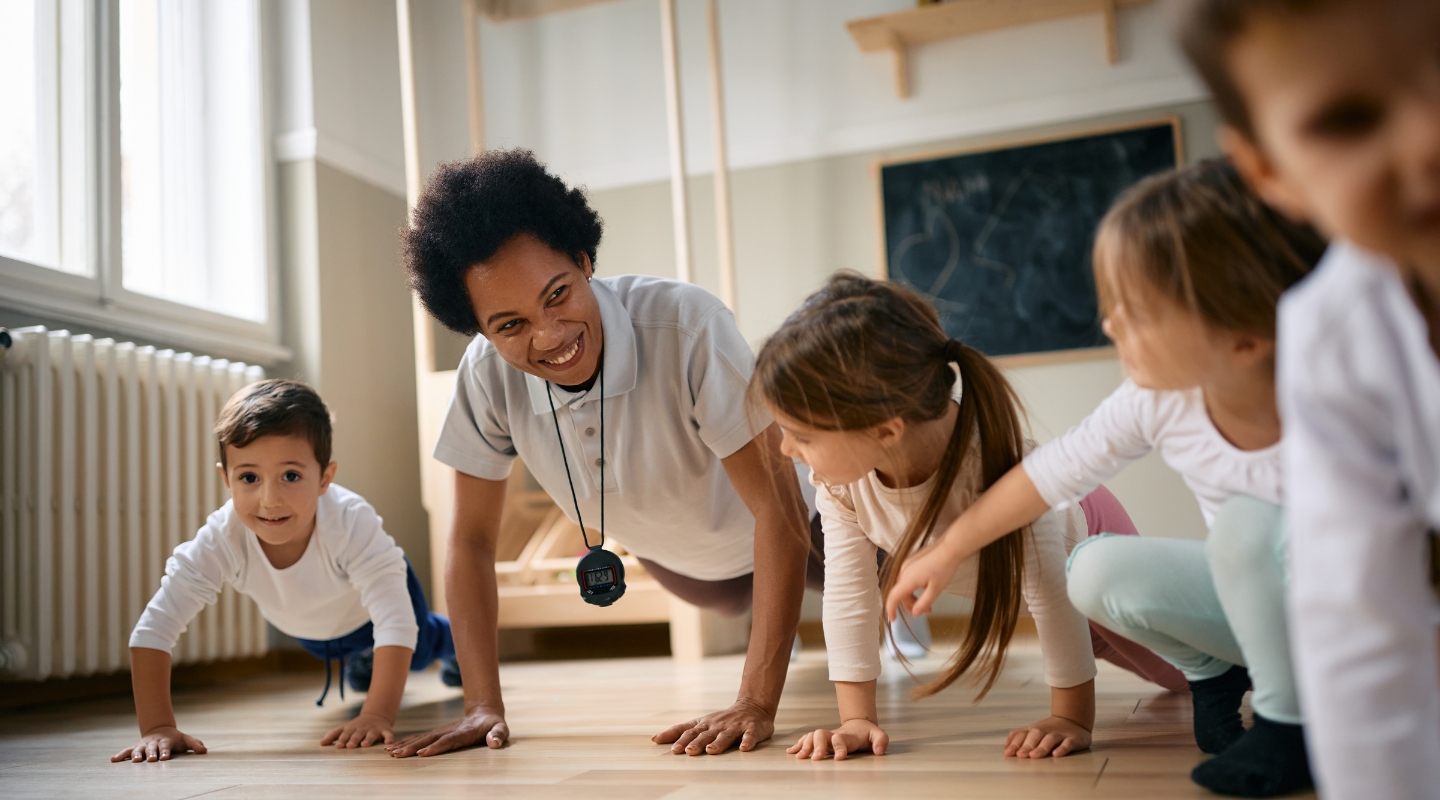
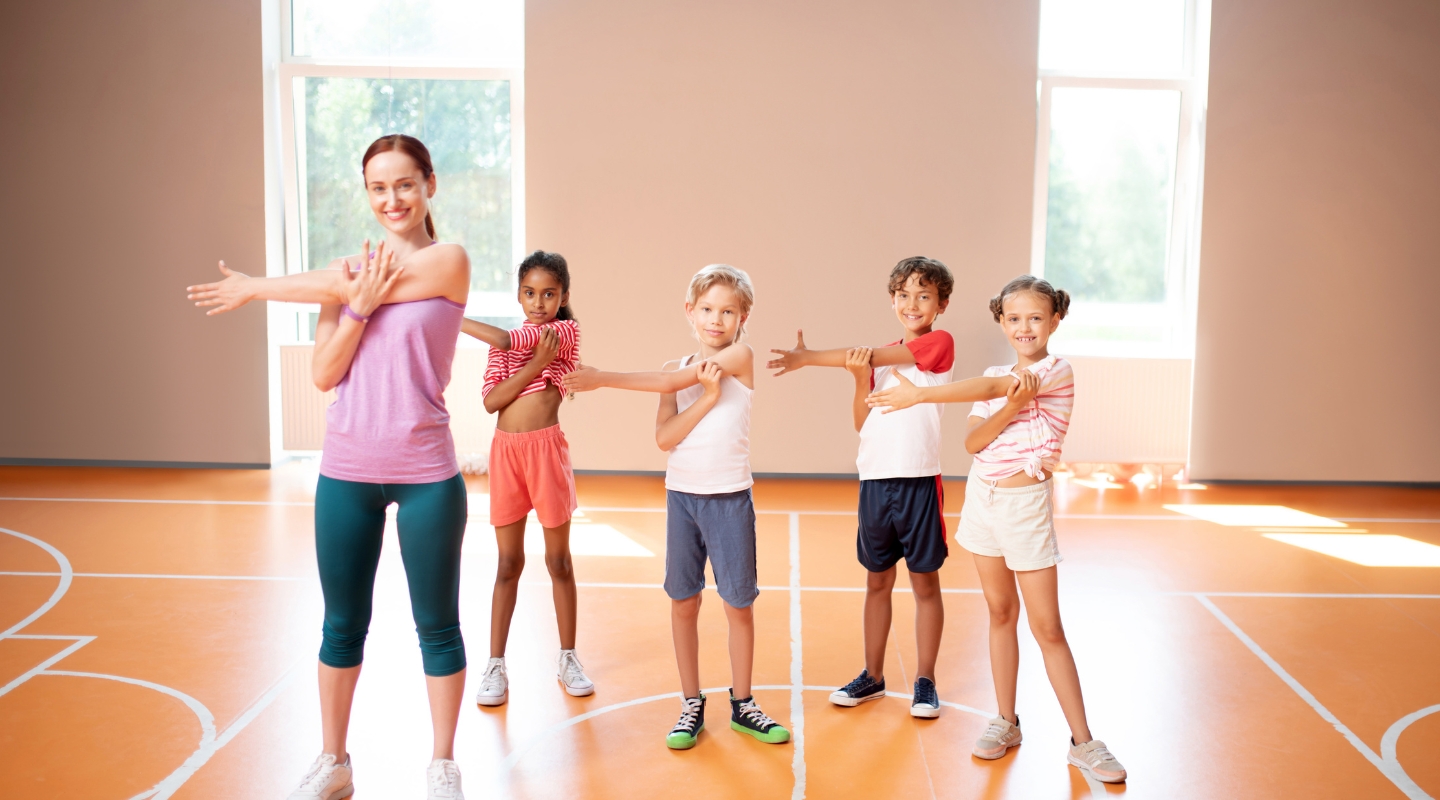
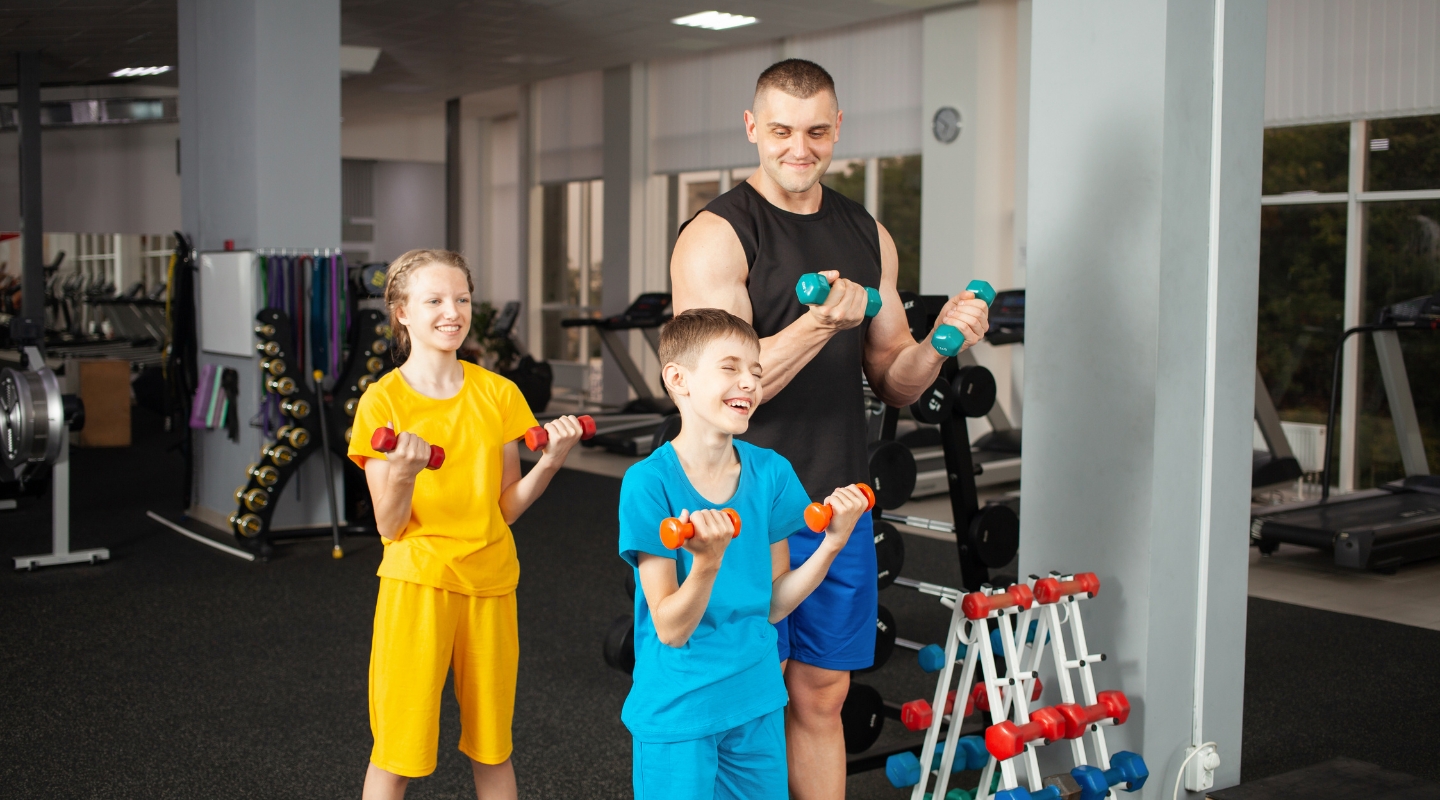
The Kids Class at Tusk Athletics offers a comprehensive, engaging training experience for young athletes. Experienced coaches use games, obstacle courses, and bodyweight exercises to keep children motivated while systematically building strength, coordination, and overall athletic ability.
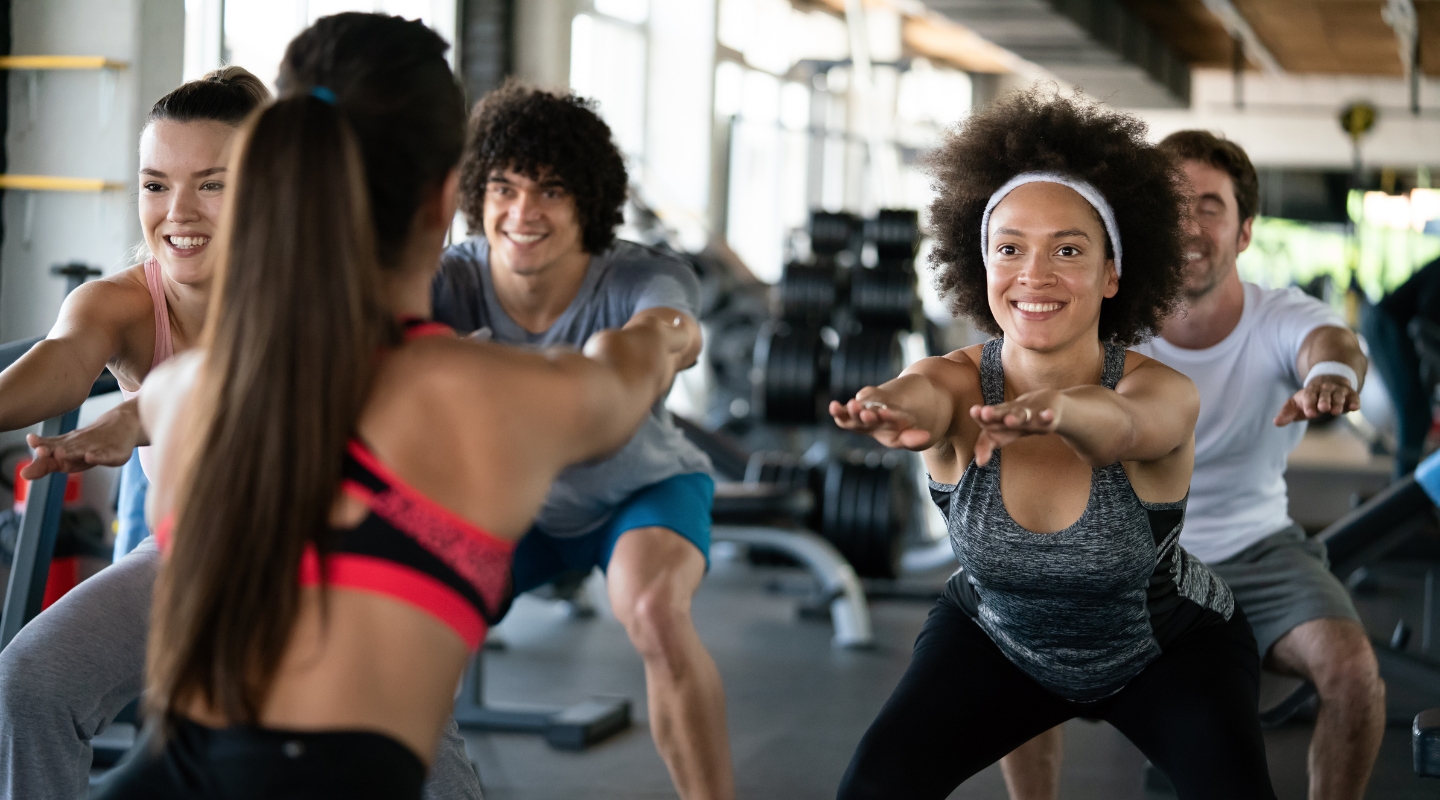
Tusk Athletics fosters a supportive community where children are encouraged to try new challenges and celebrate each other’s successes. Expert, passionate coaches guide young athletes toward their potential, whether in competitive sports or building healthy habits, making every session an opportunity for growth and fun.
If you're searching for quality youth athletic training in the Anthem area, Tusk Athletics offers the perfect environment for your child to develop their athletic potential. Located at 23910 N 19th Ave #18, Phoenix, AZ 85085, just a mile east off the I-17, the facility is easily accessible for families throughout the greater Phoenix region. Starting is simple—book a free no-sweat intro where you can discuss your child's goals, assess their current fitness level, and even let them try a class at no cost.
Don't let another season pass without giving your young athlete the training advantage they deserve. Call Tusk Athletics today at (623) 267-9211 to schedule your child's free trial class and discover how professional coaching in a supportive community can transform their athletic abilities. Take the first step toward unlocking your child's full potential—reach out to Tusk Athletics now!
Programs typically serve children ages 6–18, with activities scaled for developmental stages. Younger kids focus on movement and coordination, while older athletes handle structured strength and conditioning. Individual assessments ensure safe, effective training.
2–3 sessions per week is ideal for improvement while allowing recovery. Flexible scheduling accommodates school and sport practices.
No. Properly supervised, age-appropriate strength training supports healthy bone growth and development without harming growth plates.
Yes. Structured training improves fitness and skills for all children, helping them progress at their own pace and build confidence.
Comfortable, moisture-wicking athletic clothing and supportive shoes. Bring a water bottle to stay hydrated.
Noticeable gains often appear within 4–6 weeks, but significant improvements come from consistent, long-term participation.
No. Training benefits all children by improving strength, coordination, fitness, and confidence, whether or not they play competitive sports.